

Okay, let’s break this down before I smear it on my CPU. It doesn’t cause short circuits, I’m going to take their word for that one. I’ve never had that happen to me by using any other thermal paste so I really can’t say much about that. Applying it is child’s play. I’m going to commend them for throwing that applicator in. Much better than a broken gift card for sure. The important parts to me are the high thermal conductivity and the life of the product. It works super fast, and it lasts for 10 years without losing its power.
I took a heatsink off of a CPU once that had been on for about that long without ever having its thermal compound changed. The compound had hardened to a state that was almost like that window caulking that people use when they are too cheap to buy new seals. If this stuff can last 10 years without ending up like that, then I tip my hat to Gelid. Well, in 10 years when I do a follow-up, anyway.
Okay, now for the testing. I’m going to keep this nice and simple. I’m going to begin with my mentor’s favorite paste, Arctic Silver 5. I’m going to run each paste under normal Idle conditions as well as full load. Obviously, the lower temperature is the winner. Here’s what I’m testing on:
- AMD Athlon X2 3800+ overclocked (AMD processors here)
- NZXT ‘Beta’ Steel Case (read our review) ($49.95 here)
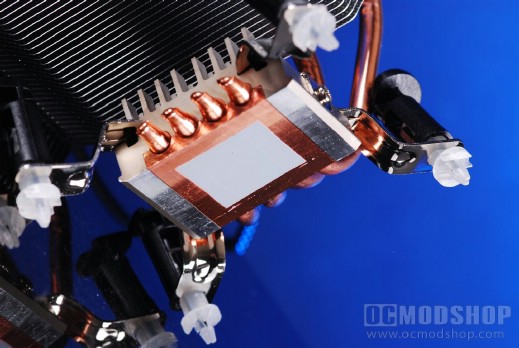
- Evercool Transformer 6 heatsink (read our review here)
- 2GB Samsung DDR2 800 RAM (check DDR2 prices)
- Corsair TX750W Power Supply (read our review) ($113 here)
- NZXT Sentry LX Fan Controller (read our review) ($59 here)
- 2x 120mm case fans
- 2x 90mm case fans
- A few other heat-producing gadgets.


