
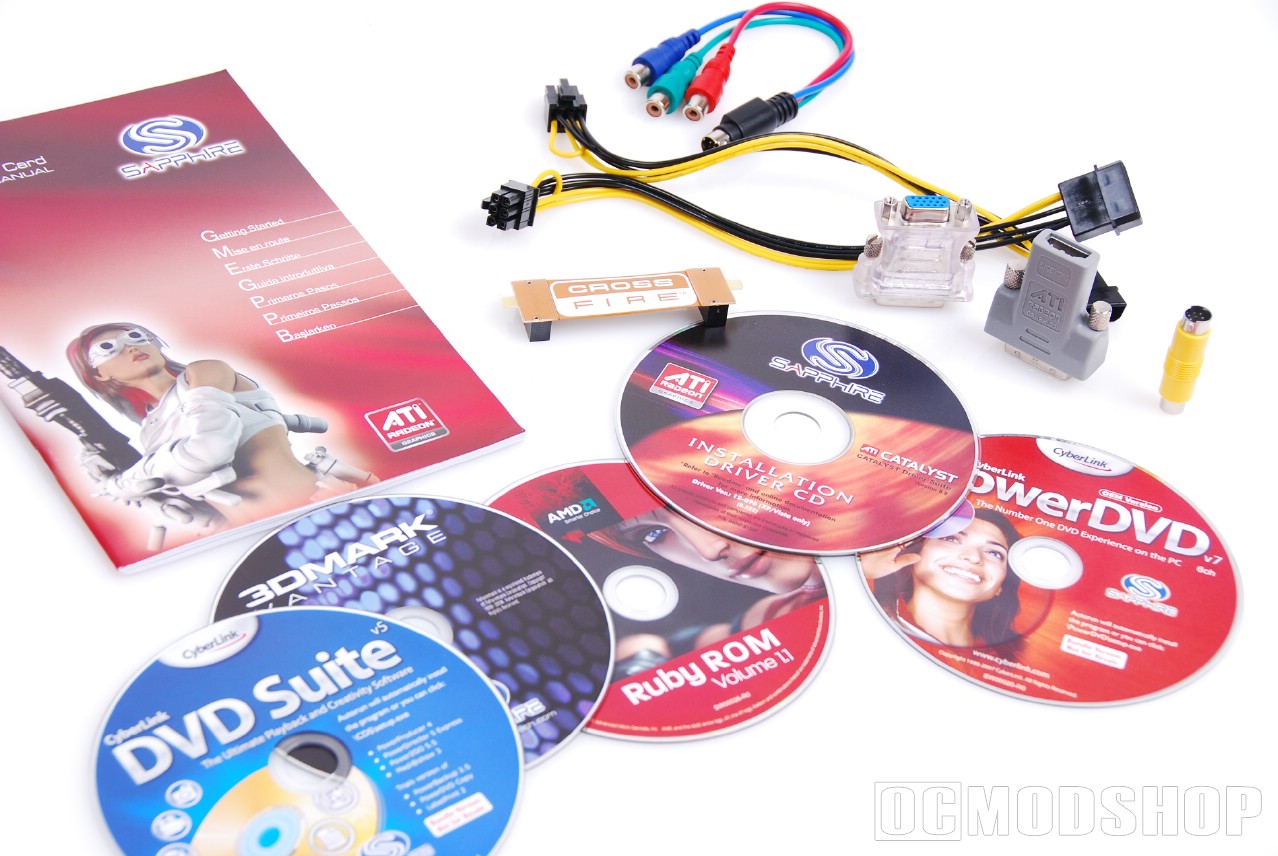
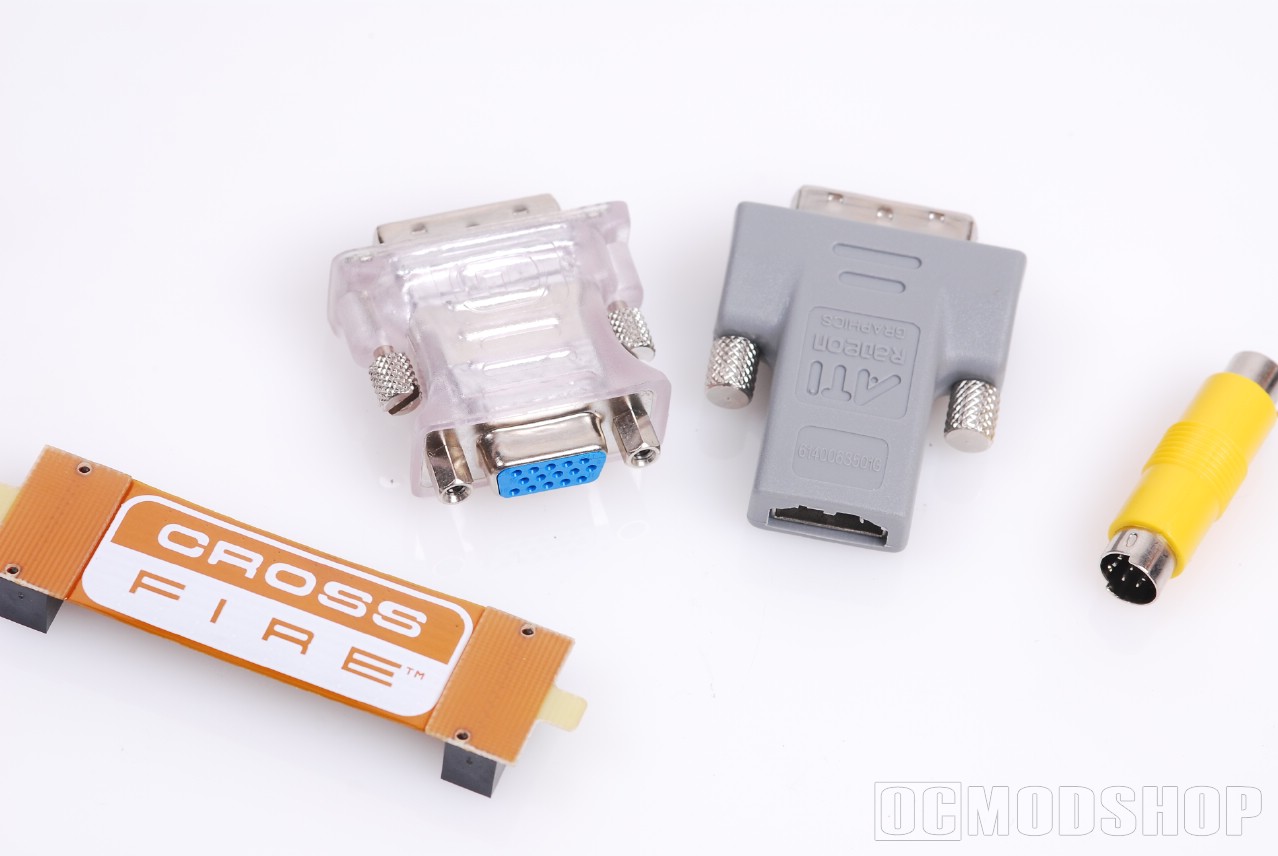
The box is a pretty standard package. It has the product name, along with the sapphire logo and specifications and contents on the back. Once the box is opened, you are presented with the card itself, which is nicely tucked into grey foam, and several bags of peripherals and software discs. The card comes with two molex to 6-pin PCIe power adapters, a DVI to VGA adapter, DVI to HDMI adapter (with audio support), an component video adapter, composite video adapter, a cross-fire bridge, a paper manual, and 5 discs of software. The software included is Cyberlink’s DVD Suite, 3dMark Vantage (full version), Ruby Rom (several ATI demos and other software), Sapphire driver CD, and Cyberlink PowerDVD.
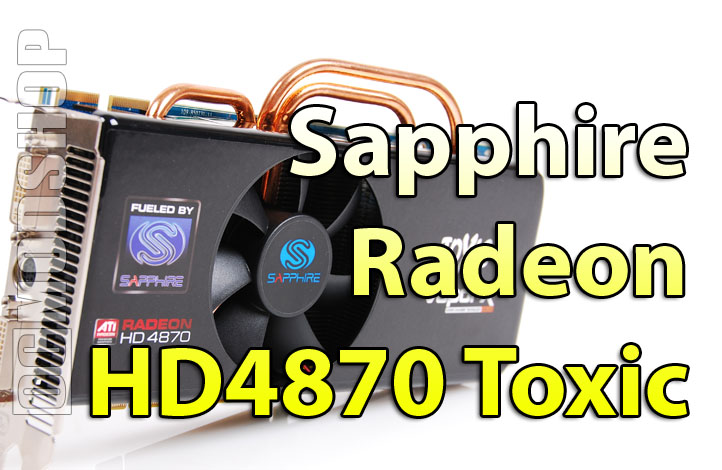
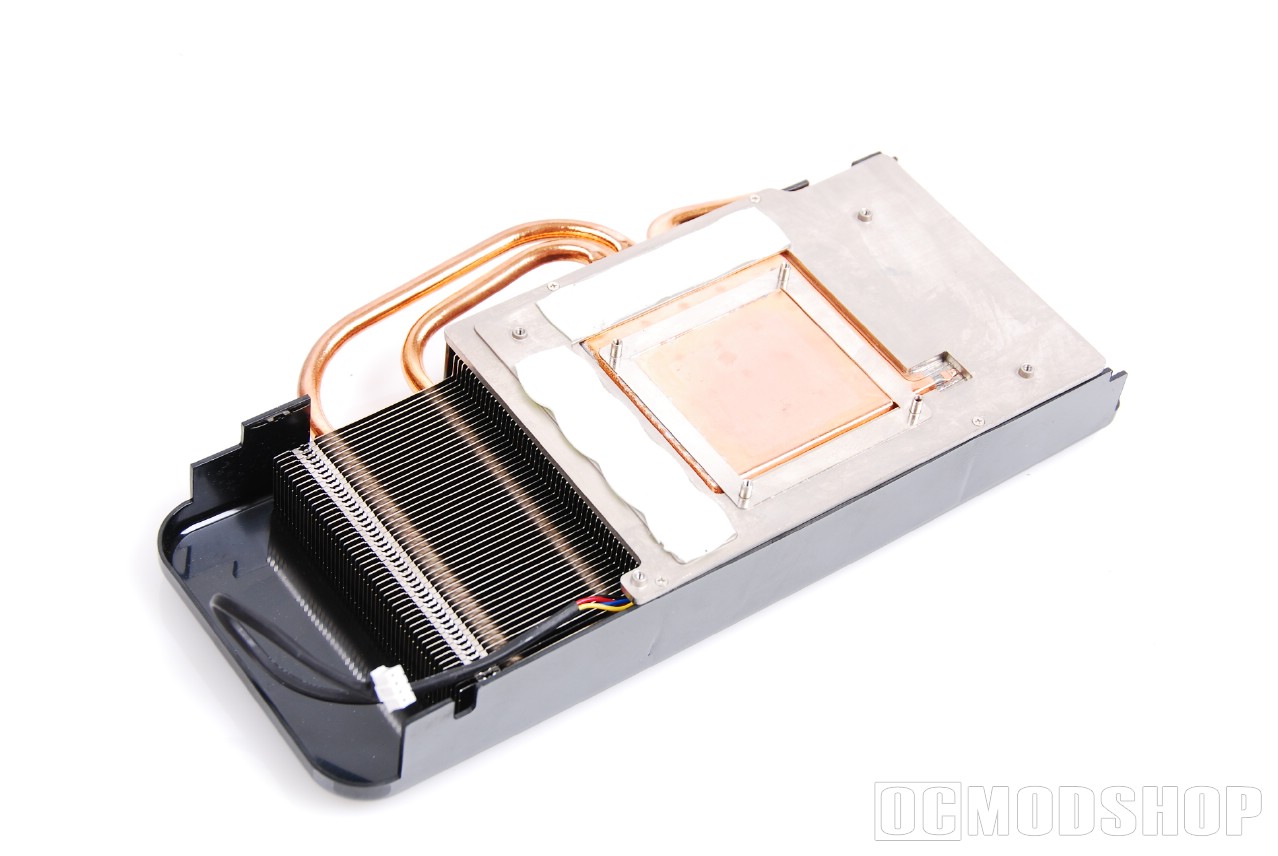
The card itself is also quite a marvel. Straying from ATI’s traditional red board, Sapphire chooses a blue color for their PCB (since sapphires are blue… I hope I didn’t have to explain that to you). The front of the card is dominated by a single cooler, which has 3 heatpipes on an aluminum and copper heatsink. This single heatsink covers the GPU and memory, and is actively cooled by an 80mm fan (which has a nice Sapphire sticker on the hub). The rear of the card has vent slots to allow air from the fan to exhaust out the back of your PC’s case.

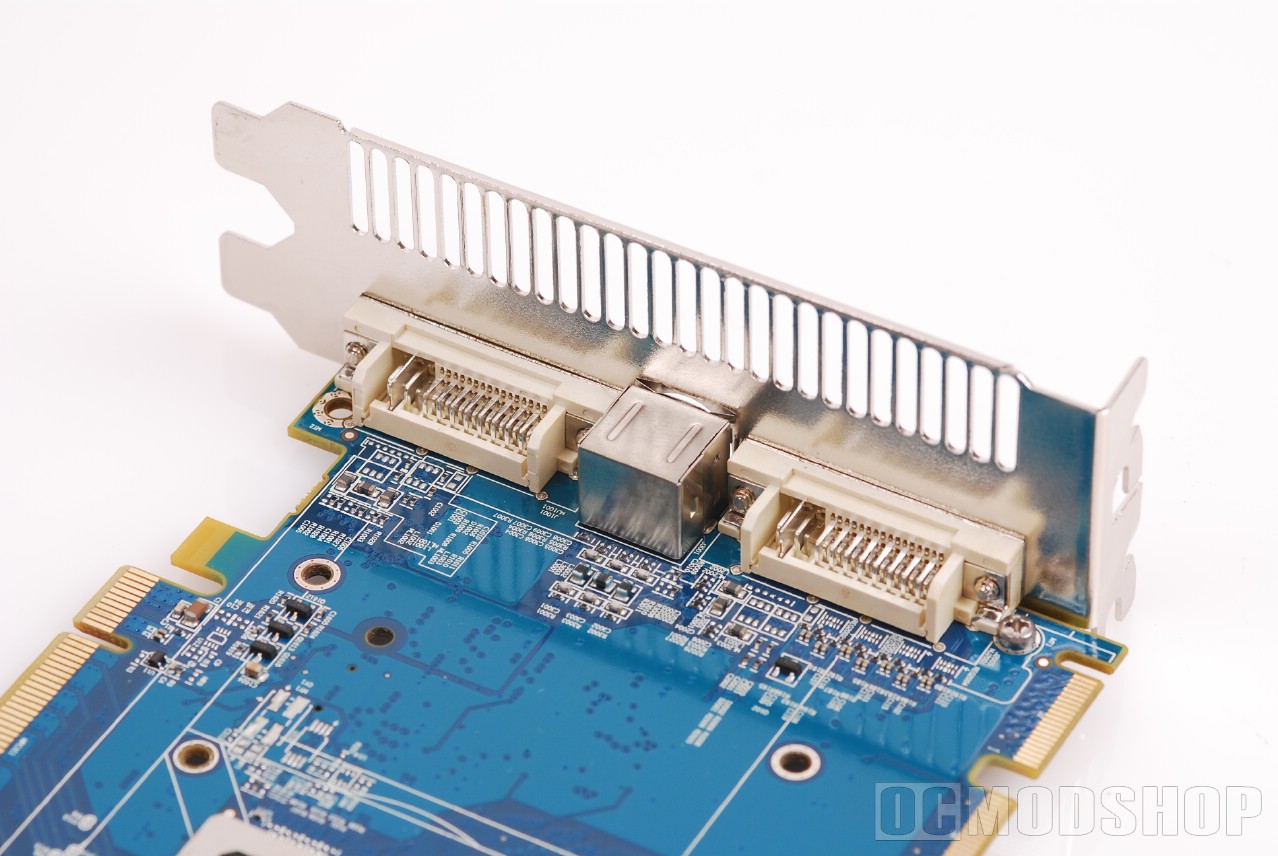
The back of the card is double-height and has two DVI ports, a multi video port (to connect to a TV or HDTV), and a vent to allow hot air to escape. The back of the card has lots and lots of little supporting components, but the major features are the screws and mounting brackets which secure the heatsink. Two 6-pin PCIe power plugs are mounted underneath the heatsink at the foot of the video card.
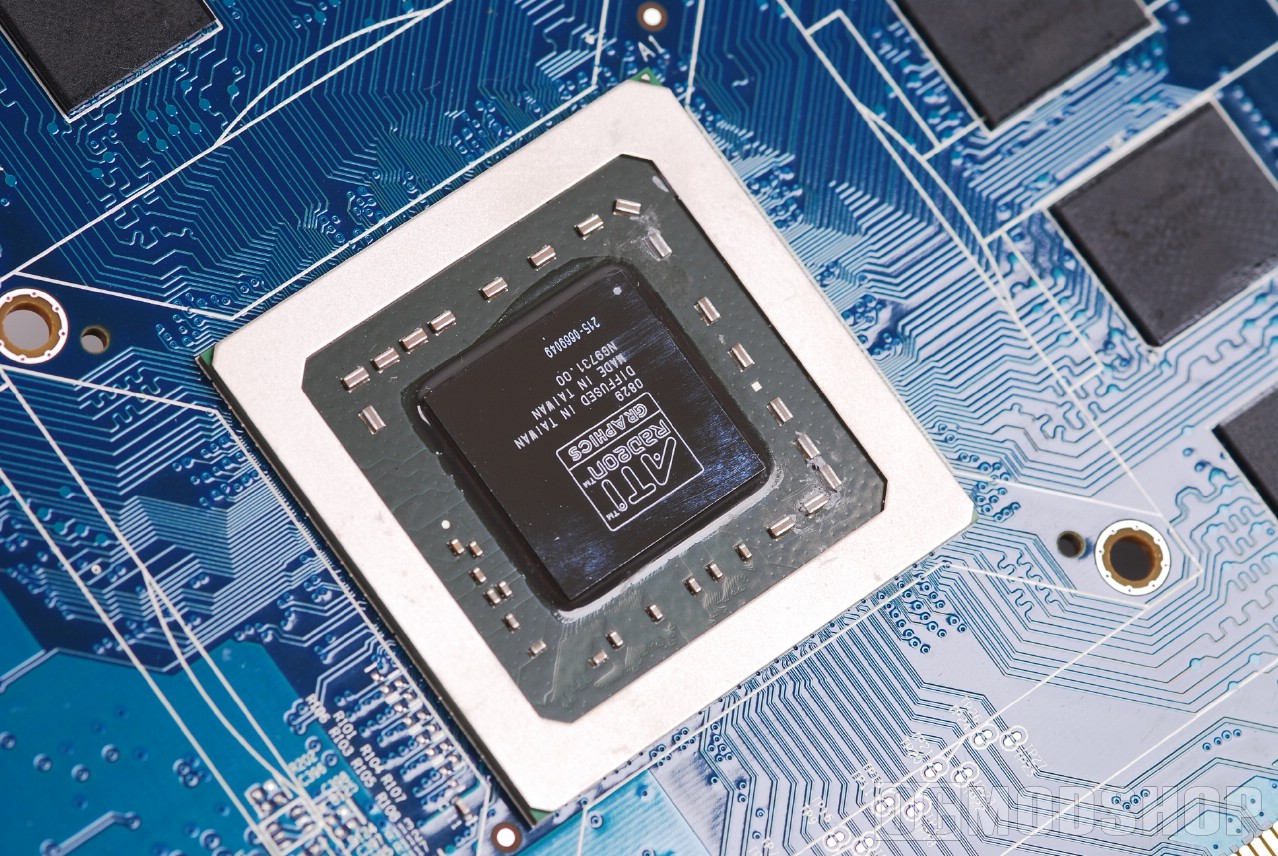
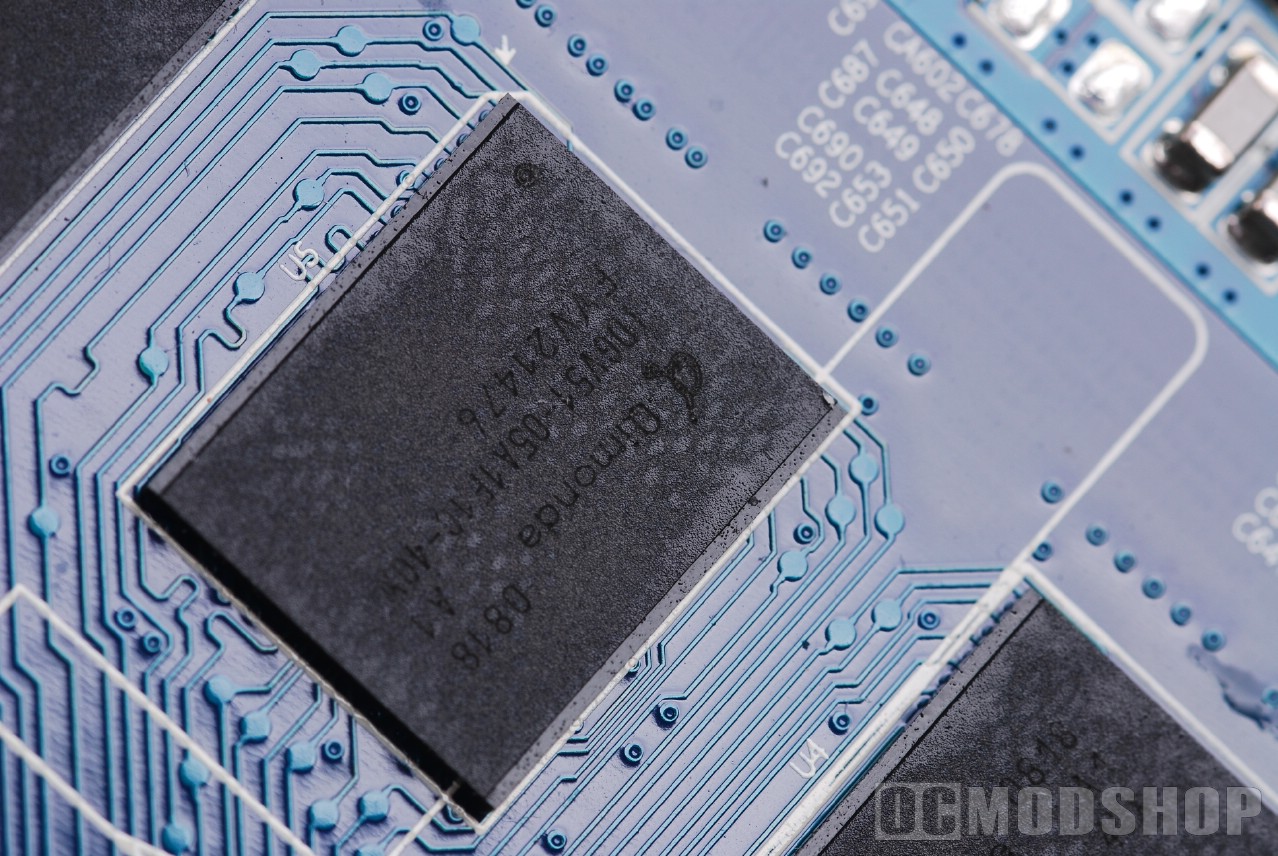
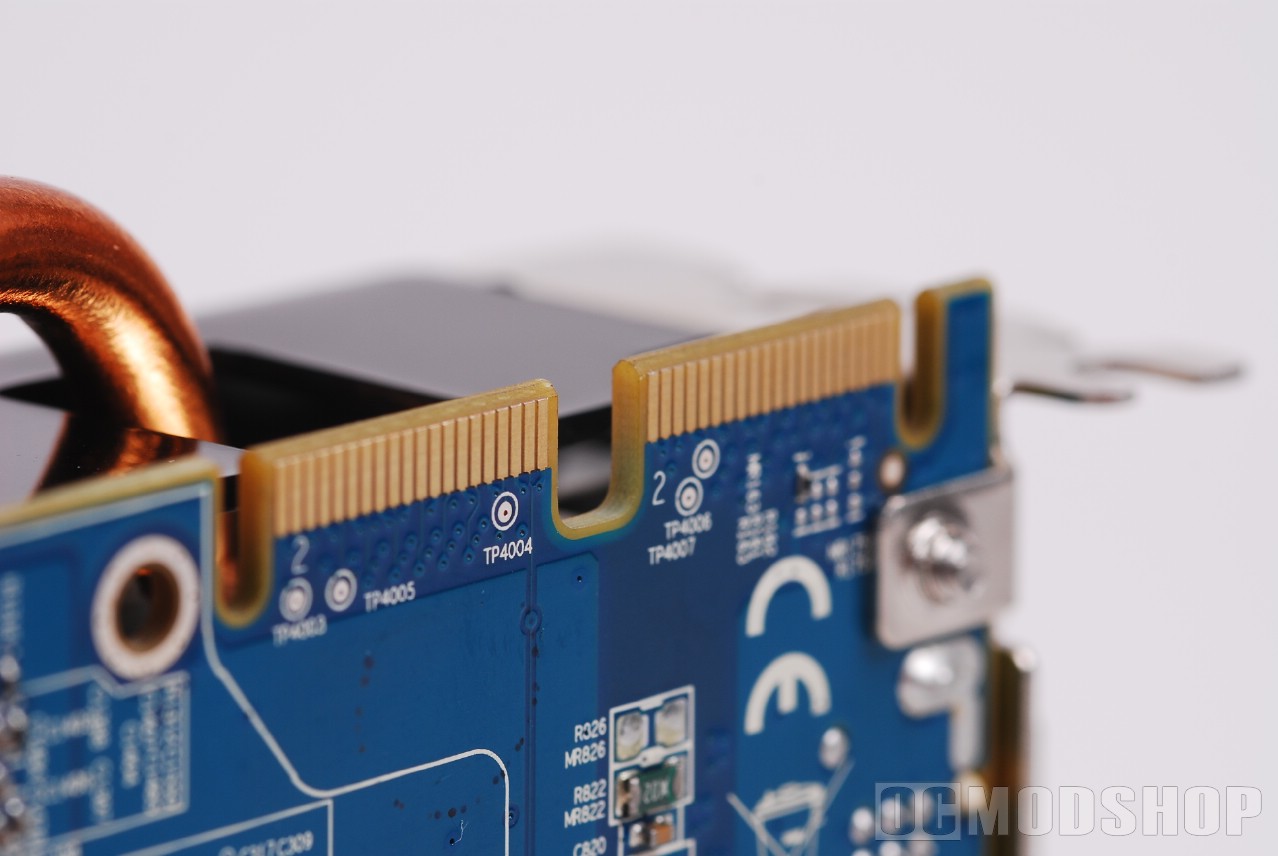
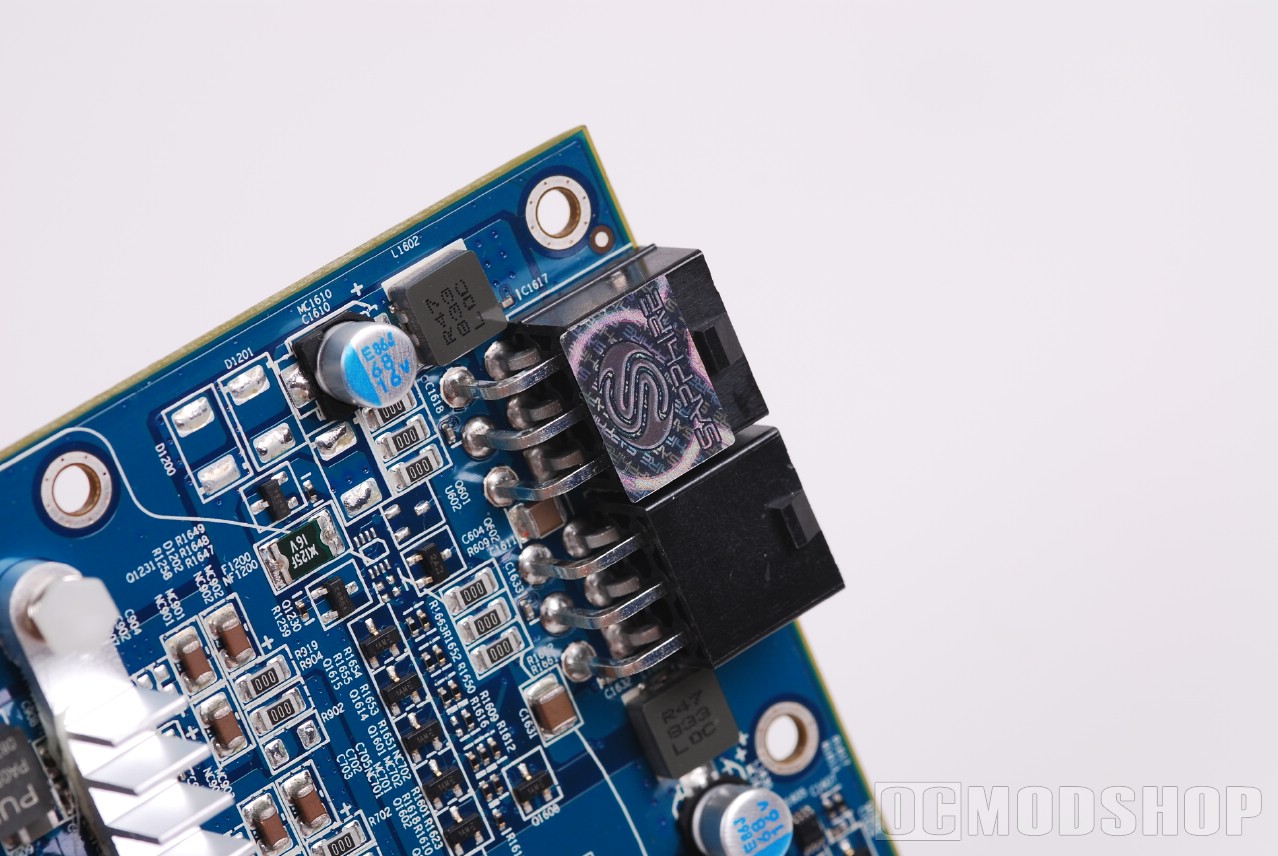
With the heatsink removed we can get a better look at the card itself. The front of the board is actually very sparse-looking. The foot of the card (where the power plugs are) are covered with MOSFETS and solid-state components to condition the power input for the card’s CPU and memory. The single 4870 GPU is positioned at the center of the card and is surrounded by eight GDDR5 memory chips (256MB each for a total of 2 Gigabytes). Two CrossfireX ports are at the top-rear of the card. Using the included CrossfireX bridge, you can connect up to four ATI cards with the same generation of GPU.


2 comments
Me likey. This would make for some seriously sick gaming. Assuming the rest of your system could keep up with it.
A video card upgrade is probabably the biggest impact you can have on PC gaming. If you have a processor made within the past 2 years and have at least 2gb of RAM then the video card is the component to upgrade for sure.
Comments are closed.