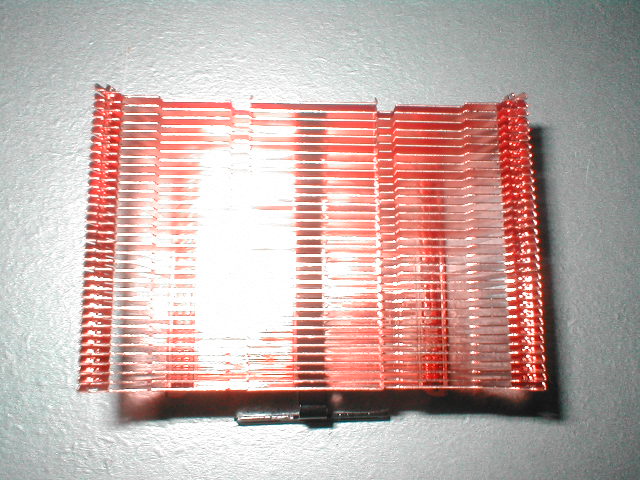
The clip mechanism for this heatsink is good and bad just like the Thermalright SLK-800, like the SLK-800 the slot for the screwdriver is much too small. The slot was so bad that my screwdriver slipped off a few times even with me being extremely careful and I ended hitting my motherboard a few times. I have installed a ton of heatsinks before and this is the first time I have ever had this happen really. This has always been a bad part of Thermalright heatsinks and hopefully soon this will be changed.
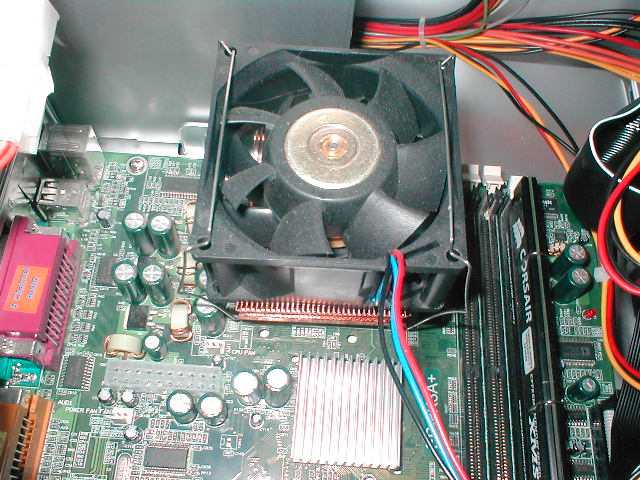
I will be using an EPoX 8K9A2+ which I will have a review of soon with my Athlon XP 1800+ (1.53GHz). I have talked to both EPoX and the maker of Motherboard Monitor and I am still unsure if the onboard diode of the XP is being read by the software so until I am positive I am not going to say that it is. I believe that heatsink testing is really relative, meaning that I think it’s more important how heatsinks compare rather than the actual temperature you get. It is important to get as low of a temperature as possible but I think comparison is the main key. I want to do a socket A heatsink roundup and will do so as soon as I have time. I will be using Arctic Silver 3 as the thermal compound because it is the best on the market. Idle temperatures were taken while idling in the BIOS and the load temperatures were achieved by using Prime95 which put the CPU up to 100%.
Test Bed:
- EPoX 8K9A2+ (review to come)
- 1800+ Athlon XP
- 60GB Seagate Barracuda IV HDD
- XtremeDDR PC3500 (review to come)
- 3DPower Geforce 3
- Cooler Master ATC-101-SX2
- Zalman 300w PSU
- Sound Blaster Live! Value
- ATi TV Wonder VE
- Plextor 40x12x40 CDRW
- pioneer 16x DVD
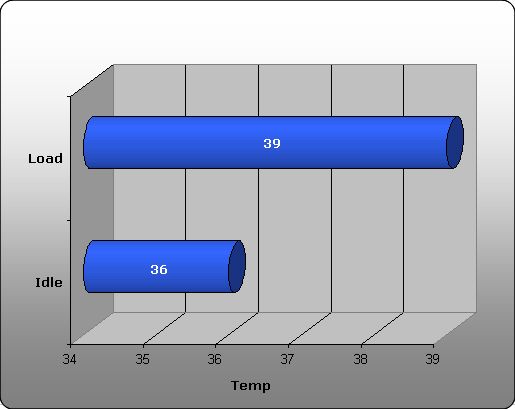
I tested with the Delta fan first and I was really impressed with the results, idle temperature was only 36 degrees! That’s the lowest I have ever seen with air cooling, the load temperature ended up being only 39 degrees Celsius, 3 degrees higher than idle. Let me tell you, if you are willing to put up with the noise from this fan your CPU is going to be a happy camper. Even though this Delta pushes 80 CFM it also spits out 50dB of noise which I am not willing to listen to.
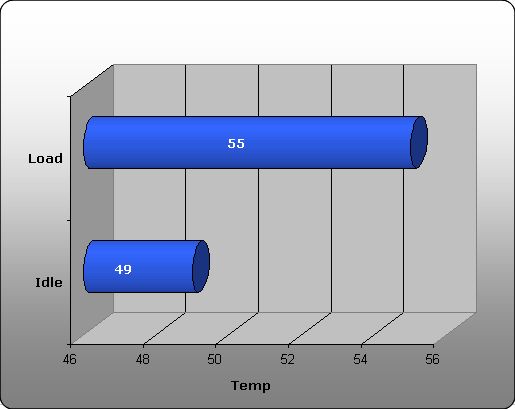
I strapped on a Y.S. Tech fan model #FD1281253S-1N which is only 22.5 dB and pushes 27.9 CFM the results are not as impressive as they are with the Delta with an idle temperature of 49 degrees and a load temperature of 55 degrees but in my book I would rather a system that is quiet and a little hotter than one that is louder than a dust buster and cooler. Even still with this quiet fan the load temp was 55 degrees which isn’t really that bad, especially compared to some other heatsinks.
Conclusion
Besides the fact that the clip isn’t the best I do like this heatsink. It is a good heatsink which offers a lot as far as performance and being able to use different fans. The base of this heatsink was really nice and was protected well so that it would be safe. I have always liked Thermalright heatsinks and this SK-7 is no exception either. This heatsink is not as good as the Thermalright SLK-800 but it is not meant to be. This heatsink is for someone who wants a heatsink that will perform well but that also wants to save some money. The Thermalright SK-7 costs about $30 and includes a Y.S. Tech TMD fan while the Thermalright SLK-800 costs about $45 and does not include any fan. If you are looking for a good heatsink which will do a good job cooling your CPU and not taking a lot of money I would suggest this heatsink to you. Overall I am going to give this heatsink a 7.5/10, I would like to thank Thermalright for providing me with this heatsink to review.
Pros
- All copper design
- Ability to use a 60mm, 70mm, and 80mm fan
- Good performance
- Clip uses all six tabs
- Good price
Cons
- Poor slot for screwdriver on the clip