
6. Apple’s patent fights
Lots of companies are using patents as a revenue stream. There are even some companies that haven’t make any new products in the past decade, but survive on the licenses of patents they created 30 years ago.
Apple was noted a lot in the media of 2012, mostly about its patent-infringement lawsuits with Samsung. Apple alleged that Samsung stole its ideas and implemented them in their devices. The thing is: EVERY smartphone and tablet has a similar GUI interface and usability dynamics.
To make things even more ludicrous: GooPhone, a company in China blatently copied the iPhone 5 design and released it a few months before Apple, and issued many public warnings that it would sue Apple if it released the iPhone 5 (link here and here).
Legal battles are always expensive and messy, but Apple eventually lost to Samsung and was ordered to run apology ads on Apple’s website.
5. DirecTV disputes with Viacom
DirecTV started its voice as a consumer advocate to bring customers more choice. A lot of new companies start out this way and bend over backwards for the customer because they want to succeed. It’s amazing how their tunes change once the companies get big. Sony turned a blind eye to the whole “piracy” issue when they sold their first VCRs, and now they are one of the biggest advocates of copyright protection. (read more here)
It seems that DirecTV has at least one or two disputes with content providers every year. DirecTV refused to pay more to Viacom, who demanded more money. Ironically dropped G4 because the small channel would not bend to their demands.

As a result, many DirecTV subscribers were not able to watch Comedy Central, Nikelodeon, and many other Viacom-owned properties. Viacom briefly shut down all of its “free” internet streams in an attempt to force DirecTV to its terms.
4. Windows Phone
The Windows Phone 8 was released in the early part of 2012 and was touted as an improvement over Apple’s iPhone, which was (and still is) dominating the Smartphone market. The new interface was pretty, fluid, and modern. Unfortunately by the time it was released it was also outdated.
The new tile-based user interface was refreshing and simple. iPhone’s interface was pretty ubiquitous, and was the standard that most people became used to. Android had a lot of good new features, too. Microsoft came up with something completely original without taking cues from the two interfaces that were working. So Microsoft instead sat on the sidelines and planned out a completely different kind of interface.
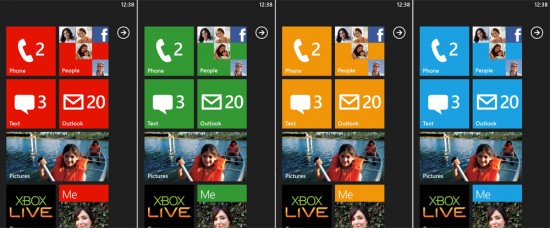
Windows Phone 7 was suddenly scrapped in favor for the new Windows Phone 8. I even talked with several Microsoft employees (off the record). While there are lots of neat things about the new Windows Phone, they all agree that the phone is way behind in app support.
We still have three more blunders to go…



4 comments
Comments are closed.