

The low latencies of this memory kit should produce some good results, especially since A-data claims that this memory can easily reach 1 Gigahertz without a problem. This memory was tested on an Intel Core 2 Duo system with the following specifications:
- Asus P5W HD Deluxe Motherboard (Intel 975 chipset)
- Intel E6600 Core 2 Duo processor
- eVGA nVidia 8800 GT 320MB PCI-e video card
- Creative X-Fi Platinum
- Western Digital SATA 500GB HDD
- 2GB A-Data Vitesta Extreme Edition DDR2-800
- Zalman CNPS 9700 NT CPU Heatsink
- CoolIT RAM fan
- Windows Vista Ultimate (64-bit)
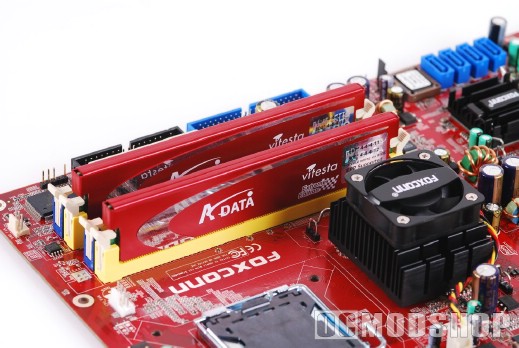
Those with Core 2 Duo processors will be most interested in how this memory performs at a 1:1 ratio. This ratio reduces any bottlenecks elsewhere in your system, and modern Intel chipsets can easily keep up with the memory at these speeds. We started the memory at its default DDR-800 speed with 4-4-4-12 timings and went up from there.
 |
 |
 |
||||||||||||||||||||||||||||||||||||||||||||||||||||||
|
A-Data Vitesta Extreme Edition DDR2-800 Performance
|
|
||||||||||||||||||||||||||||||||||||||||||||||||||||||
 |
|
 |
||||||||||||||||||||||||||||||||||||||||||||||||||||||
The memory overclocked relatively well until we reached over 900Mhz. At this point Windows would boot, but would sometimes freeze or otherwise lock up, even when there were no processor-intensive tasks going on. To remedy this, we increased the voltage to 2.2 volts, and the Vitesta Extreme Edition memory was able to break the 1 Gigaherz mark without any further problems, all with a 1:1 FSB ratio and without loosening the timings.
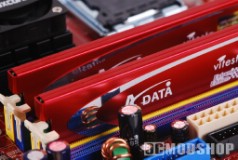
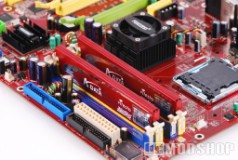
It is great to be able to have a “free” upgrade to the next memory performance level (equivilant of DDR2-1000), but these sticks would have problems when at this high speed using the fast timings. Windows could not boot completely, even when the RAM was actively cooled.
It was possible to push the memory further when we loosened the timings back to 5-5-5-15. We were able to reach 1200 MHz with the loose timings (and a voltage increase to 2.4 volts). While it is possible to reach thish high level of performance, I would be nervous about running my system all the time. We are quite comfortable that the memory would reach 1000 MHz with fast access timings.