
GVK: What is your favorite strategy to use in the game, and what is your favorite unit?
MJ: That’s hard to answer since, well, “it depends”. In multiplayer I’m always the good Samaritan so I pick the role that nobody else plays. The role will then dictate strategy mostly. I’m a heavy helicopter guy if I’m playing air and I’m a light tank (or APC) guy if I’m playing armor. As support player I go all medium anti-air and if I’m playing the infantry role I mostly go for standard infantry (the most all-round infantry unit).
I think the medium AA unit is my favorite actually.
GVK: Weather has played a large part in strategy and battles in the past two games. How do you plan to implement weather conditions in the game and what can players look forward to?
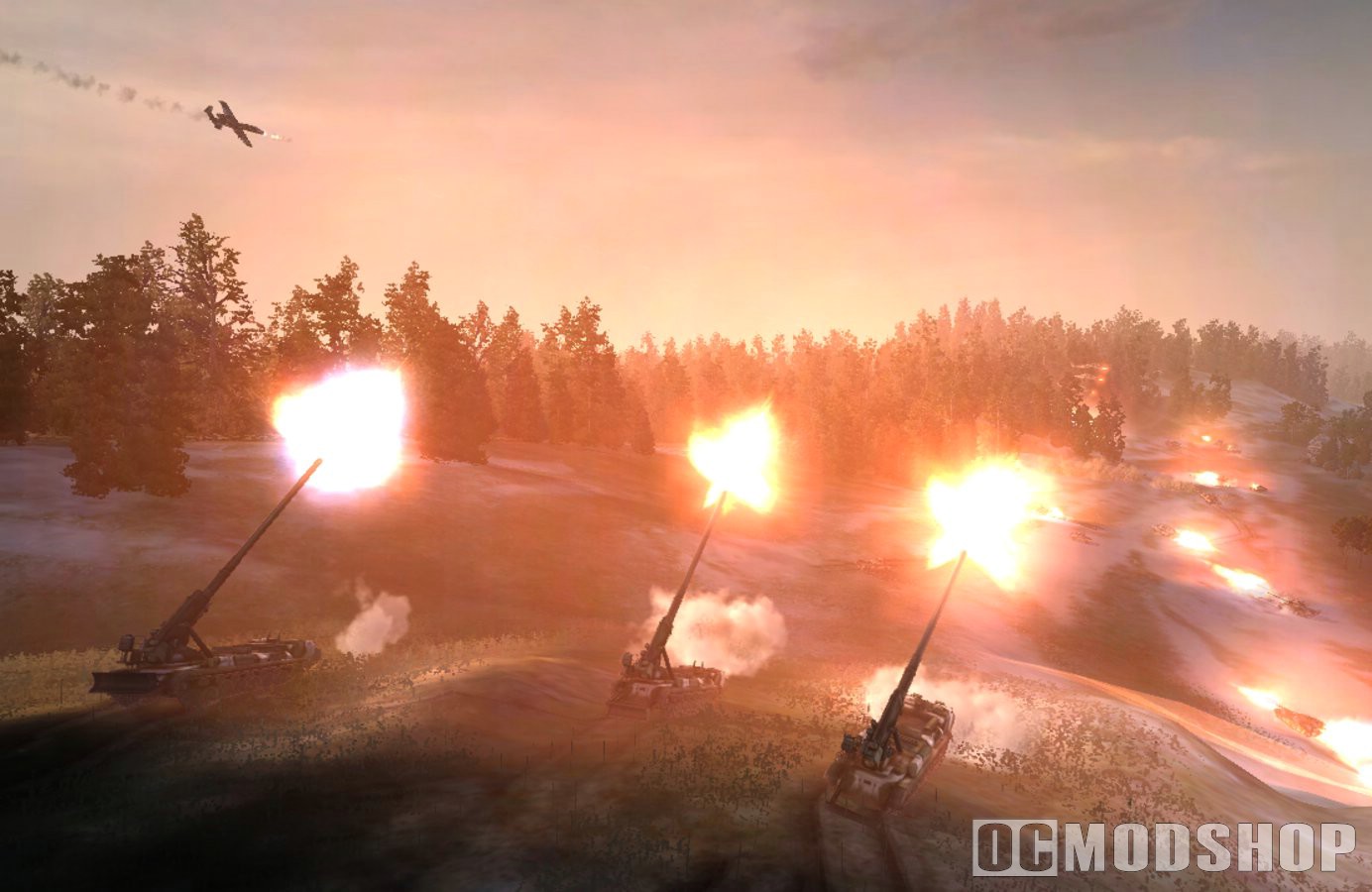
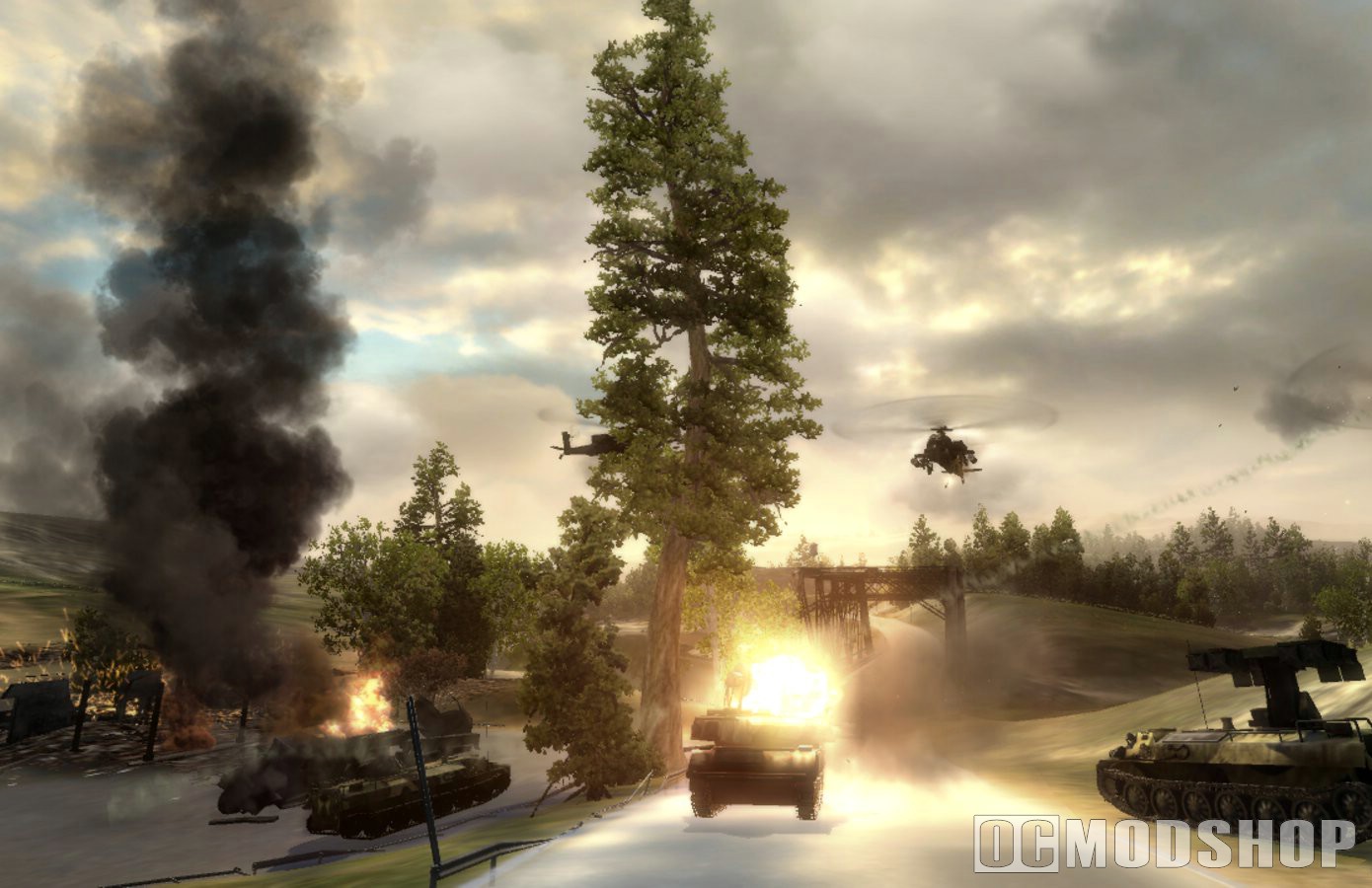
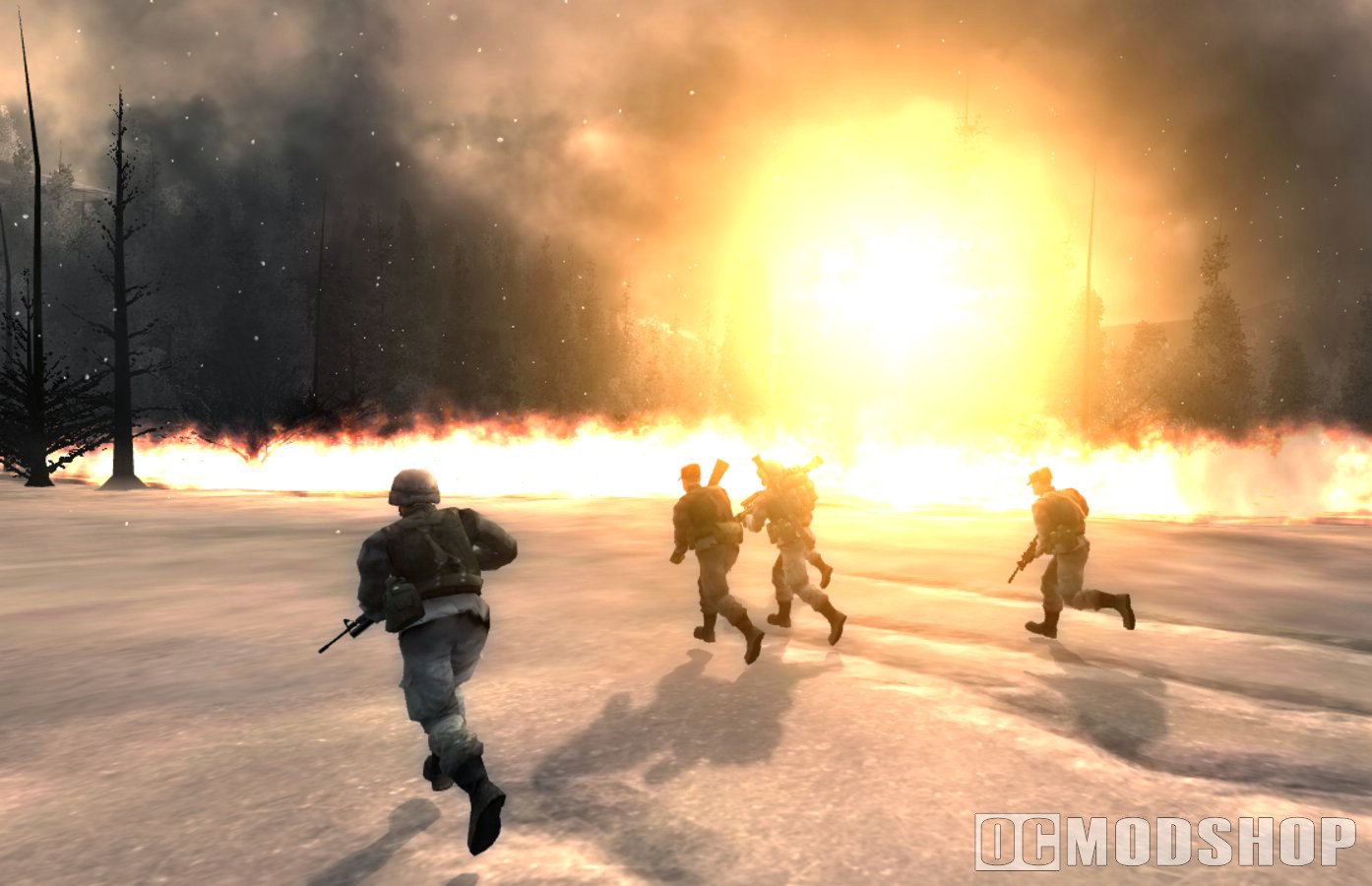
MJ: Well, weather is actually one of those things that play a smaller role in World in Conflict than it did in the Ground Control games. Having weather affect gameplay elements proved to be quite problematic, so we’ve taken a more cautious approach to it. Instead of having dynamic weather, we work with the atmosphere and contrast, which is very visible in multiplayer. In the beginning of a match, most maps are very lush and bright, but as the battle goes on the landscape becomes much darker and gloomier. It’s a pretty neat effect that kind of sneaks up on you as you’re playing.
GVK: In games of this type, micromanaging resources as well as units is not only necessary, but often very tricky. How will this be handled in the game?
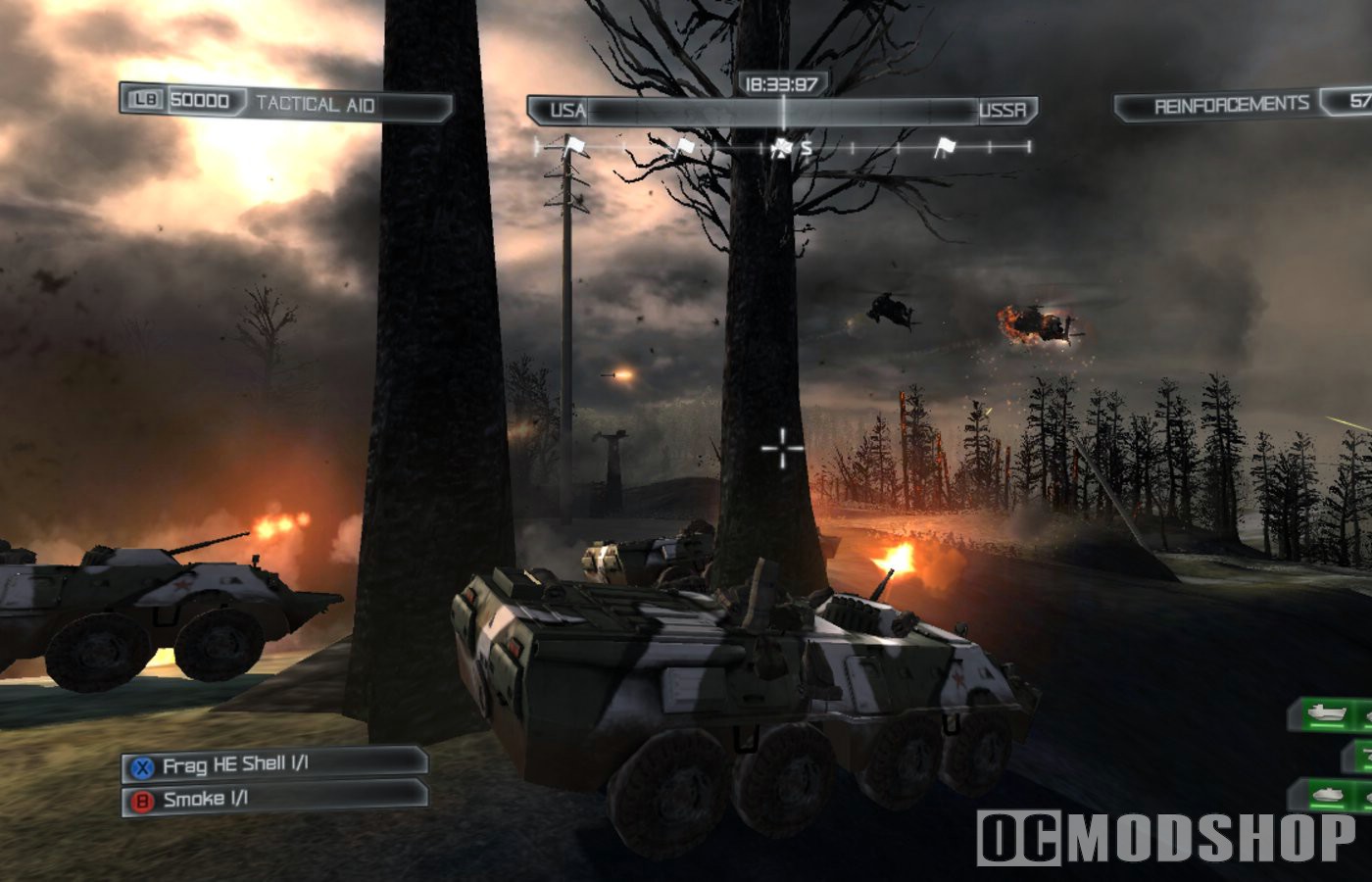
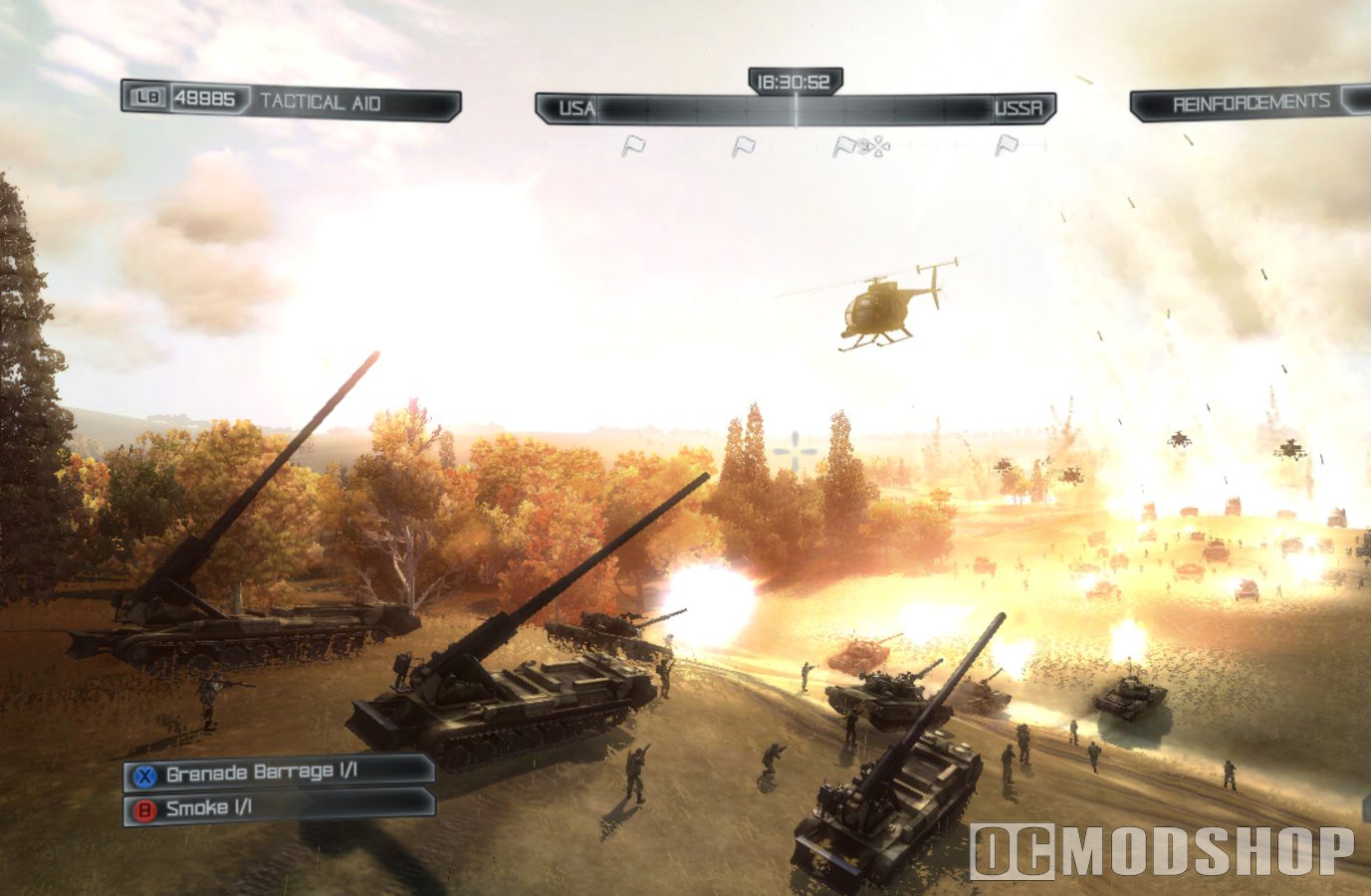
MJ: The game doesn’t really involve any conventional resource management, which was a very determined decision from our part. We wanted to avoid the typical slow pace of the genre and bring players into the action as soon as possible. In World in Conflict: Soviet Assault, players are given a number of resource points that they can invest in units of their choice, and these points are refundable once units get killed or destroyed. This especially affects multiplayer, where we can have drop-in matches without having players suffer because they’ve joined the server in the middle of a match.
As you say, you have to expect some degree of micromanagement in RTS games, and we’re no exception. However, we’re lowering the number of units that each player controls a bit, so in most cases you control around 5 to 10 units. Luckily, this size has also proved to be ideal for consoles, as one of the biggest problems of playing RTS games on a console is indubitably the controls.
GVK: In games of this type, A.I. is often critical for the success of a game. How has the A.I. for the game been setup and what features will it include?
MJ: We built the AI from scratch to fit the team-play focus of World in Conflict. So when you are playing a skirmish game the different AI players will ask for assistance from other AI players depending on their need (although the player will not see this – it’s more how we laid things out). If you ask for their assistance they will respond.
In the single player missions you often face units that are fully controlled by the level designers, so they don’t use the AI per se.
GVK: What were some of the biggest challenges in creating the game and your greatest triumphs?
MJ: The biggest challenge was definitely to get the controls right. At least personally for me as a designer that has been the biggest single mountain to climb.
We’ve been very fortunate with World in Conflict: Soviet Assault in that we found that had a head start because our game features our fully 3D free camera as well as a core focus on action rather than complex resource management. All of these things meant that World in Conflict: Soviet Assault was a natural fit for console technology, controllers and the audience. This is an RTS that plays like an FPS, and that provides us with both a tremendous leg-up on the competition and instant appeal with all kinds of gamers on both Xbox 360 and Playstation 3, but man… we’ve gone through a lot of iterations on the controls!
Getting the game running on both the PS3 and the 360 has been a great engineering challenge AND a triumph.