
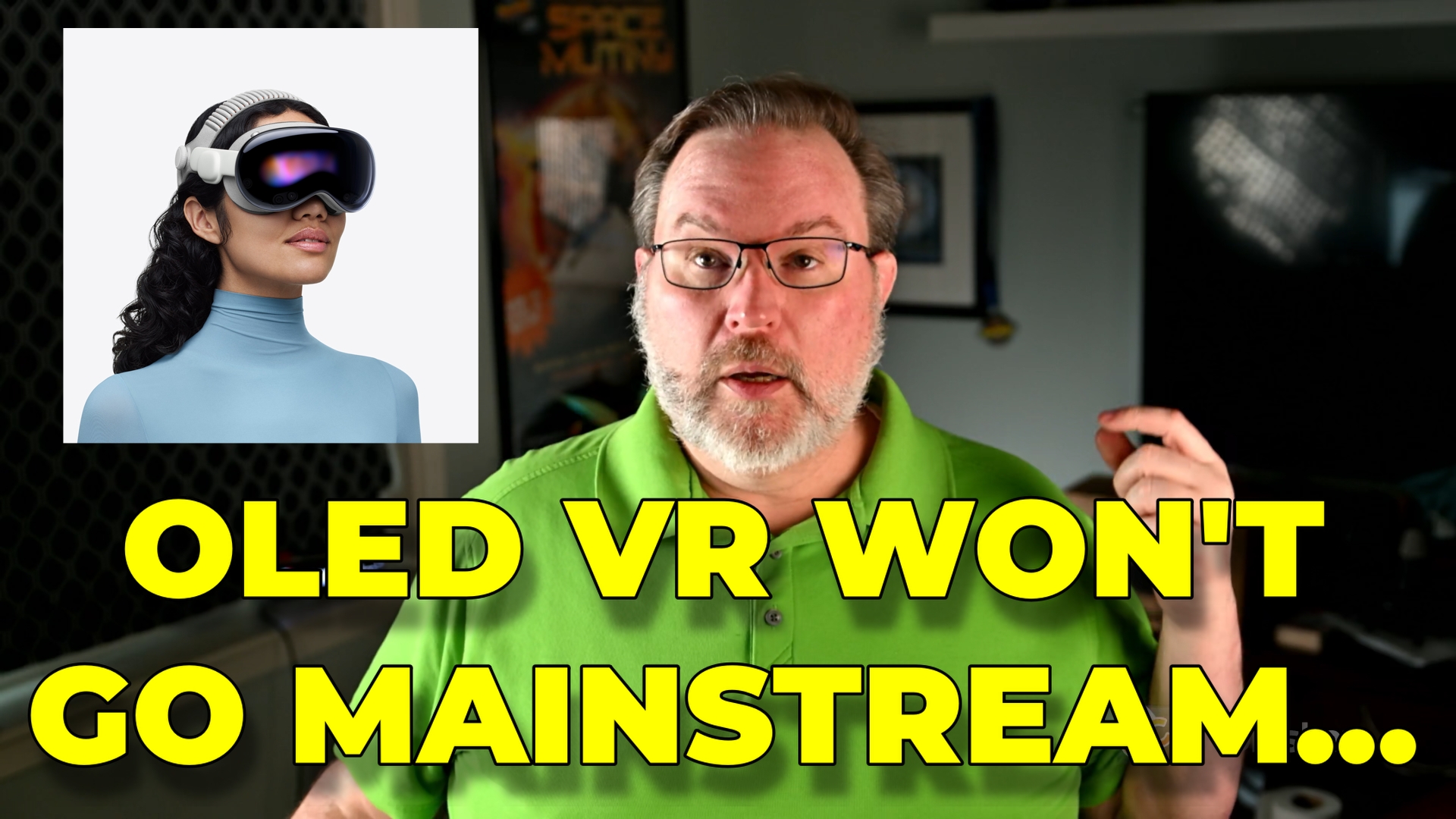
OLED VR headsets face significant technical hurdles before reaching the mainstream market. This breakdown explains the engineering fixes required for wider adoption.
Achieving mass-market appeal for virtual reality requires addressing core display limitations. We examine why current OLED VR headsets struggle with motion clarity and thermal management during long sessions. By analyzing technical specifications like display brightness, we can see where the hardware currently falls short of consumer expectations.
Beyond raw output, the industry is focused on better persistence control to reduce motion blur and improved power efficiency to extend usage times. These adjustments are critical for balancing performance with heat output in compact form factors. If you are tracking the evolution of display technology, this overview clarifies what manufacturers must solve to make these devices practical for daily use.
Let me know in the comments if you think current display tech is ready for long-term use or if you are waiting for these specific fixes. Subscribe for weekly hardware maintenance breakdowns.