

Connecting the headphones is easy enough, thanks to its standard color-coding. At first I was confused about the USB plug, thinking that the headphones had a built-in soundcard as some 5.1 headsets do, but the USB only powers the headset’s 3 blue LEDs (one in the remote, and one in each earpiece). The headphones will function perfectly fine without the USB cable, but you won’t look as cool. The LEDs remain steady on, instead of fading in and out as Razer’s mice do.
The microphone is completely adjustable. You can move it up and out of the way to be parallel with the headphone band, or you can pull it down to be around a 60-degree angle (slightly lower than right in front of your mouth). The microphone arm is bendable, and retains the shape it’s molded in. The noise-cancelling technology of the microphone is very good at filtering out room noise, so people hear your voice and not everything else around you.
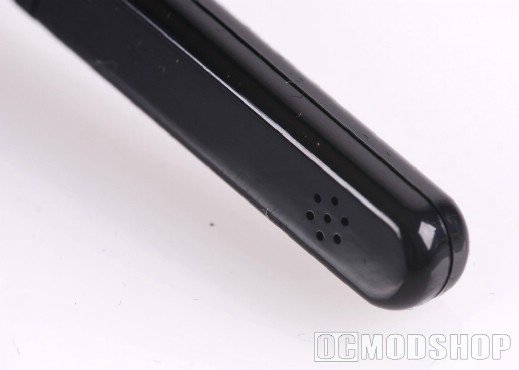
The headphones are actually very comfortable with extended wear. The earcups are smaller than a typical “around-the-ear” design, so they rest directly on your ear (which may pinch those who wear glasses). The headband is made of flexible plastic and provide decent pressure, which can be lessened by pulling the earpieces out. The earcups are foam and covered with black fabric, which feel a little rough for my tastes. The breathable fabric wicks up sweat, which makes them more comfortable, but you probably won’t want to share your DNA-soaked sponges with just anyone.
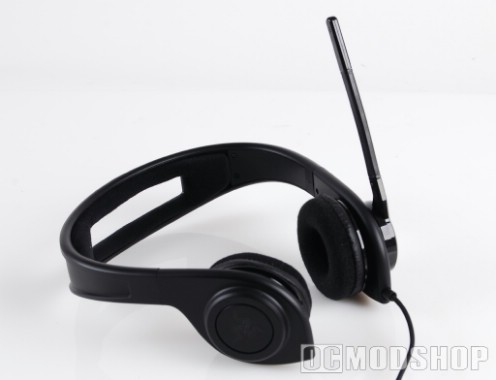
The headphones sound good when gaming, as long as you don’t compare it to an audiophile-quality set beforehand. Compared to our “low-end” audiophile JBL 510-reference headphones (which were purchased for the same price as the Razer), the Pirahna sounds much less dynamic. The volume seems lower (even with the volume knob cranked up), the highs don’t seem as bright, and the bass is nowhere near what the JBL delivers (which have smaller drivers).
The good thing to note about the Pirahna’s sound is that it had absolutely no noise and zero distortion, even with the PC’s mixer turned all the way up. I don’t want to disrespect what these phones deliver: they sound way better than other gaming headsets (which tend to sound flat), but don’t compare with the fidelity of audiophile sets. Razer’s headsets were made for PC gaming, and because of that I expect much deeper and roomier bass.



1 comment
westchezzetcookerFebruary 20, 2012 Bought this headset, had to take it back, too much bass distirtoon in the right speaker, clicking and crackling sounds at times, even with default setting, I couldn’t play Battlefield 3 with it like that. Only buy turning the bass almost off would it fix the problem. I’m a fan of Logitech but not this headset.
Comments are closed.