
1. Cell Phone Service
While the cell phones themselves are charged a premium over what they actually cost to make, the real moneymaker are the voice and data services required to use them.
You’ve heard before that “nothing in life is free”, but we see offers for “free” phones all the time. Some plans give you a discounted rate for a phone, but the cell phone company is paying a significant portion of the hardware cost. They know that they will make thousands of dollars over the term of a two-year contract, and they put up a few hundred.
The companies make you pay for your phone in the long run, anyway. If a smart phone costs $200 and they give it to you for free, they will include an extra $10 premium to the plan, so that you end up paying $240 over the two-year-contract for that “free” phone. That doesn’t even include the services they are selling you.
Communication technology has always been a big money maker, and there has been lots of competition over the recent decades. Twenty years ago, companies like MCI (remember them?), AT&T, and Sprint were fighting over long-distance service, and now that is usually included free with your voice plan.
The “long distance era” was a time when communications companies were laying the groundwork with new fiber optics and cell phone towers. Now most of what is required to run them is maintenance. If a company doesn’t have the physical network, they can rent bandwidth or equipment from a company who does.
The gist of this is that cell phone service providers are making money hand-over-fist, and it costs very little in comparison to run it. Consumers are starting to get less and less for the same price, as companies throttle your data bandwidth as a miser counts his pennies. Other companies will give you a “data cap” and happily charge you if you go over your bandwidth. Their answer is to upgrade your plan to the higher tier.

The average smartphone plan with unlimited data and voice is about $100. This can be okay for a single individual, but somehow we have it in our heads that every member of the family, including grade-school children, needs a $500 gadget along with the required plans. Family cell phone services are easily one of the more expensive monthly bills in today’s modern household, exceeding electricity and water.
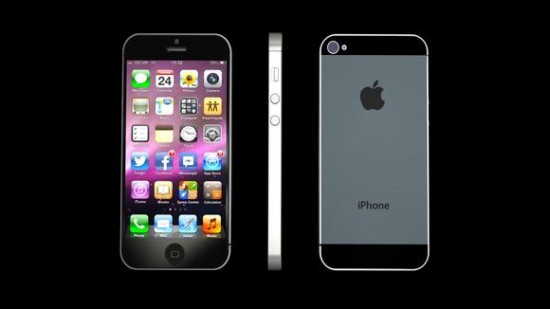
You can save some money by going with a “pay-as-you-go” plan, such as Boost Mobile or Virgin. Their top-tier phones aren’t as sexy as an iPhone 5 or HTC Evo, and those premium phones require premium service plans.
Going with a pre-purchase plan can cut your cell phone bill in half (even after buying the hardware outright), but you are still paying around $50 a month for a service that costs ten times less to run.
Cell phones are practically a necessity in today’s modern age, and the communications companies know it.



2 comments
Comments are closed.