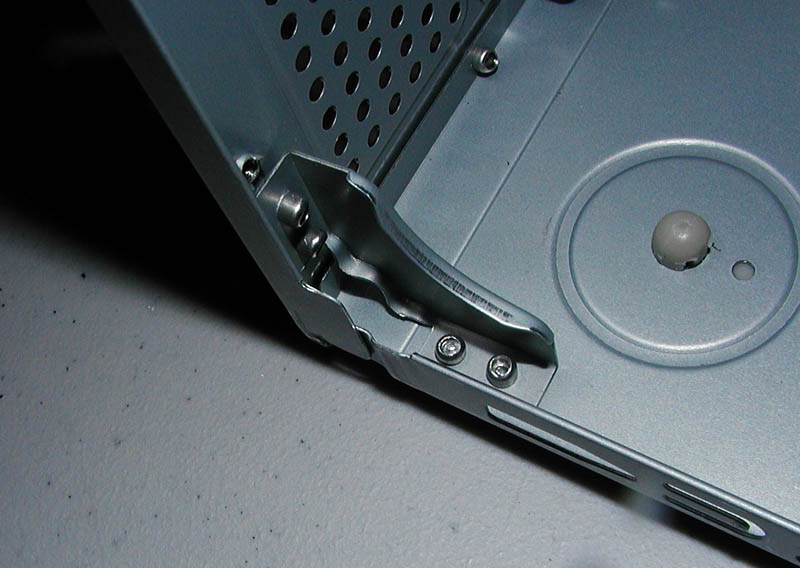
The case construction uses a 0.7mm thichkness, which would normally give the case more flex and bend, but Enermax has designed the case to compensate. Steel cases are usually welded, as the construction is cheaper, but Enermax has taken the extra cost to reinforce the corners using riveted joints. The edges of the metal are rounded over to provide even more structural integrity. This case does not sway or bend even a little bit.
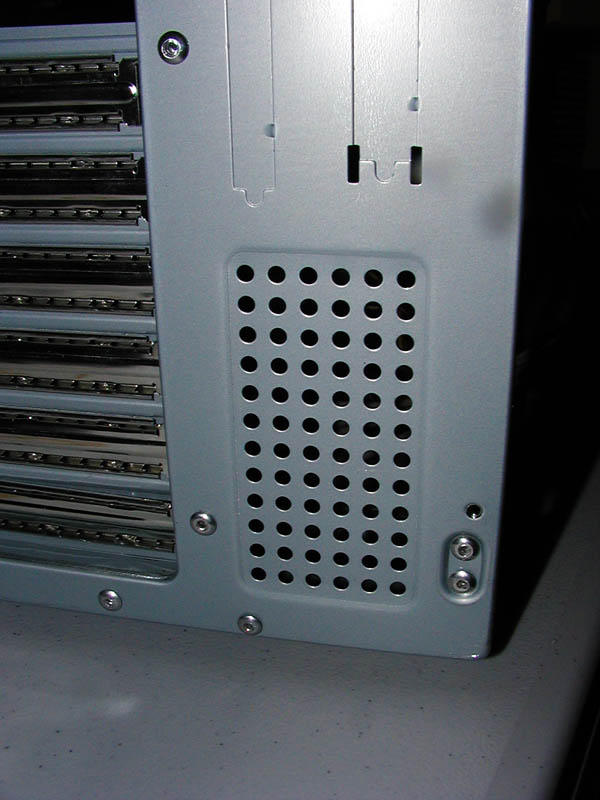
The outer finish is not merely painted, but looks like it has been powder-coated, giving the case a satin mother-of-pearl finish and is slick to the touch. Even though this case is white, it is far from ordinary. The finish would match well with a white Enermax UC-A07FATR2.
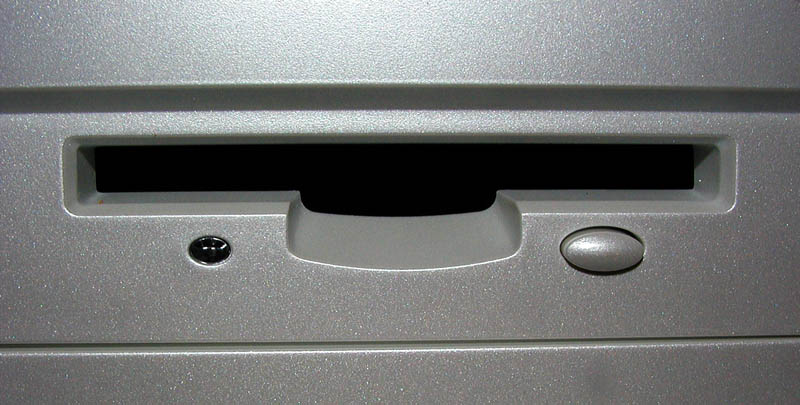
The front panel is of course, plastic, but it matches seamlessly with the satin paint job. A molded hole adorns the top of the panel, which is large enough to accommodate an internal Zip drive. I like the OEM look of such a stealth mod, and am glad to see the extra thought to support the Zip drive, as the floppy is a legacy device that has no business in a modern computer.
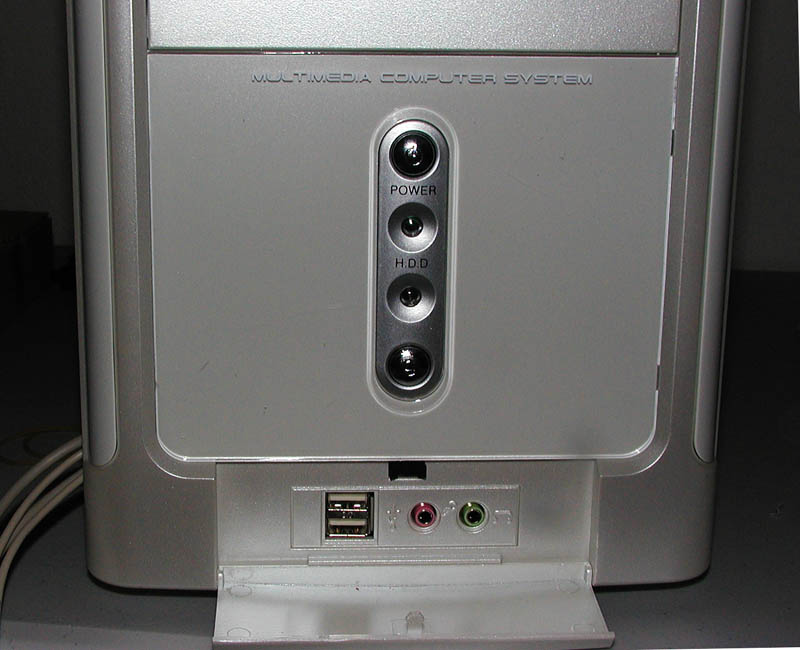
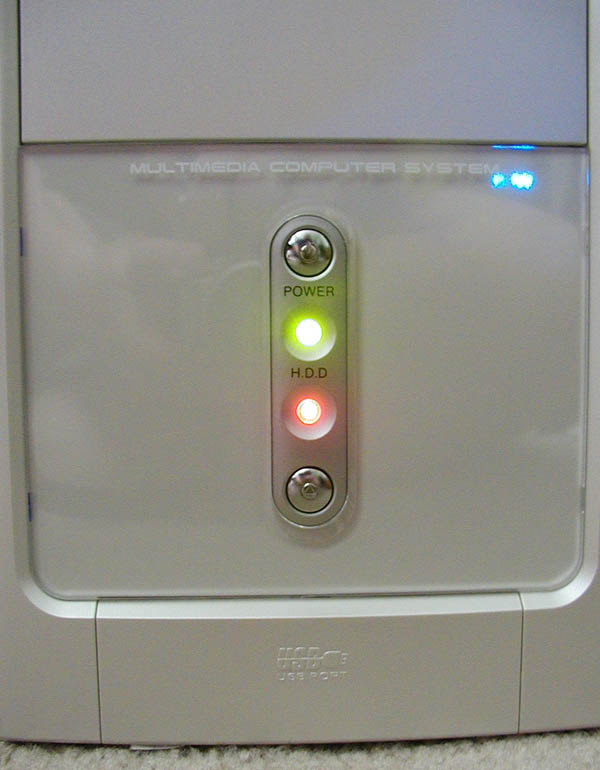
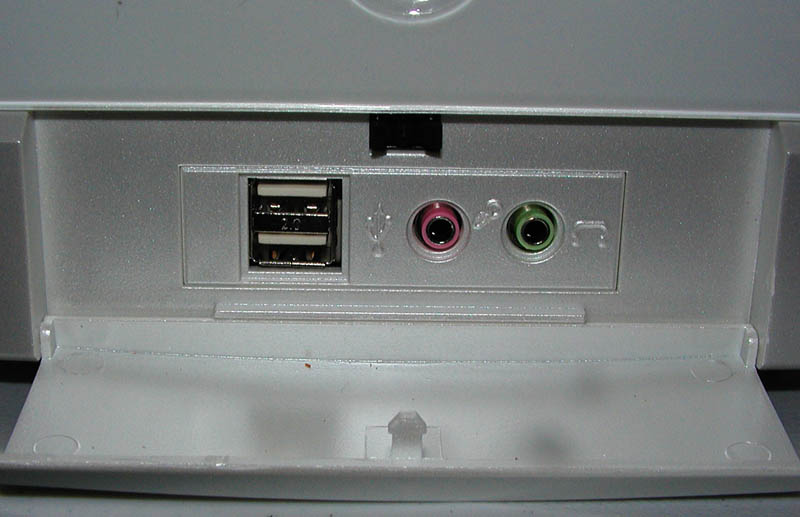
The power panel comes with a standard power and reset buttons, as well as the power and hard drive activity light, which use green and red 5mm LEDs, respectively. The buttons are very easy to press, and make a silent click upon being recessed. Below this panel are hidden front-panel connectors. 2 USB 2.0 ports and a microphone and earphone jack are enclosed in this panel, which is toggled open by pressing the top of the stealthing plate.
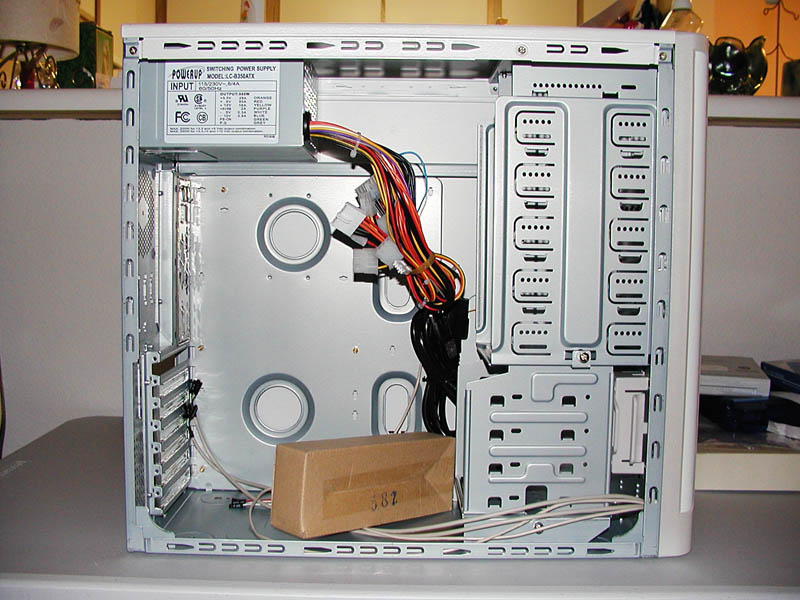
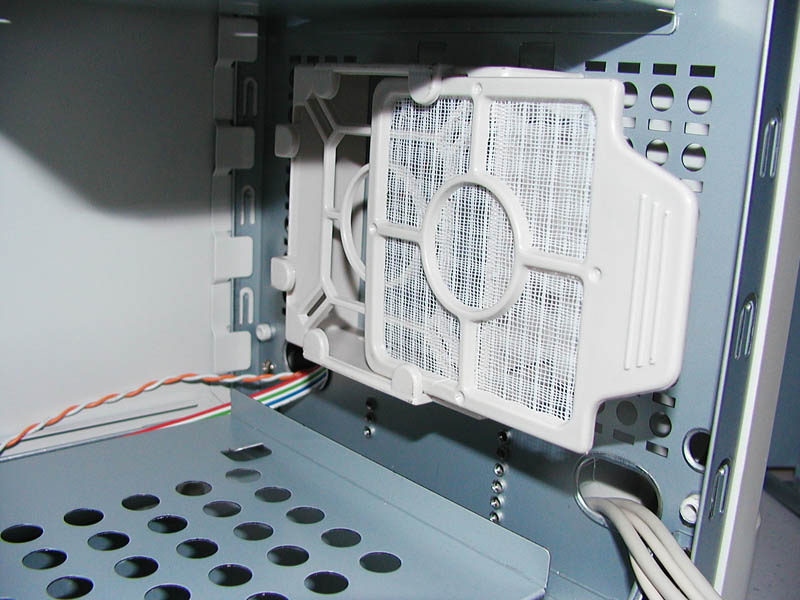
This case comes with a ton of drive bays! One 3½ drive mounts behind the floppy/Zip drive hole, and five 5¼ drives are directly accessible from the front. Below this is a removable hard drive cage, which can accept an additional 4 drives. A total of 10 drives can be installed into this case, if one chooses. This feature alone makes this case a consideration for a low-end server.
The bottom drive cage continues to the bottom of the case, adding more stability to the overall construction. An array of holes adorn the bottom to provide additional drive ventilation. The removable cage is secured with enclosed thumb screws, and is placed behind a front intake fan so the drives benefit from direct cooling.
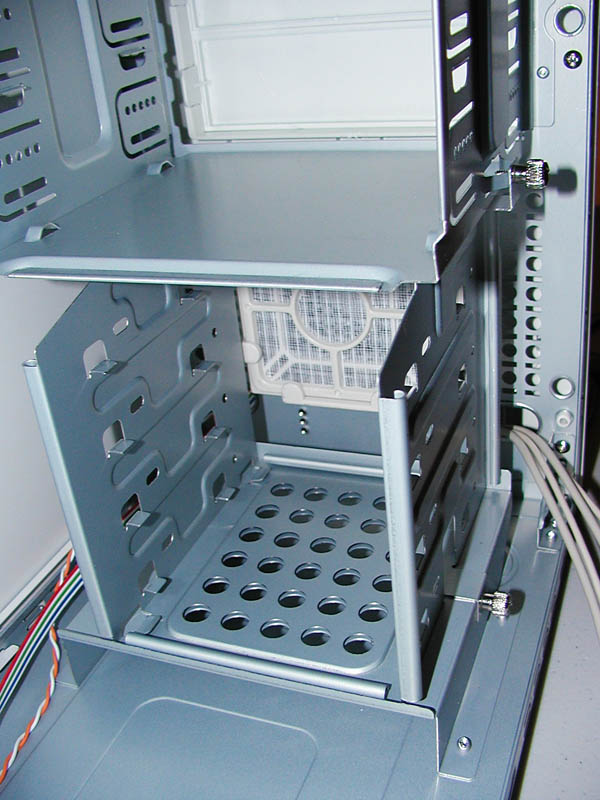
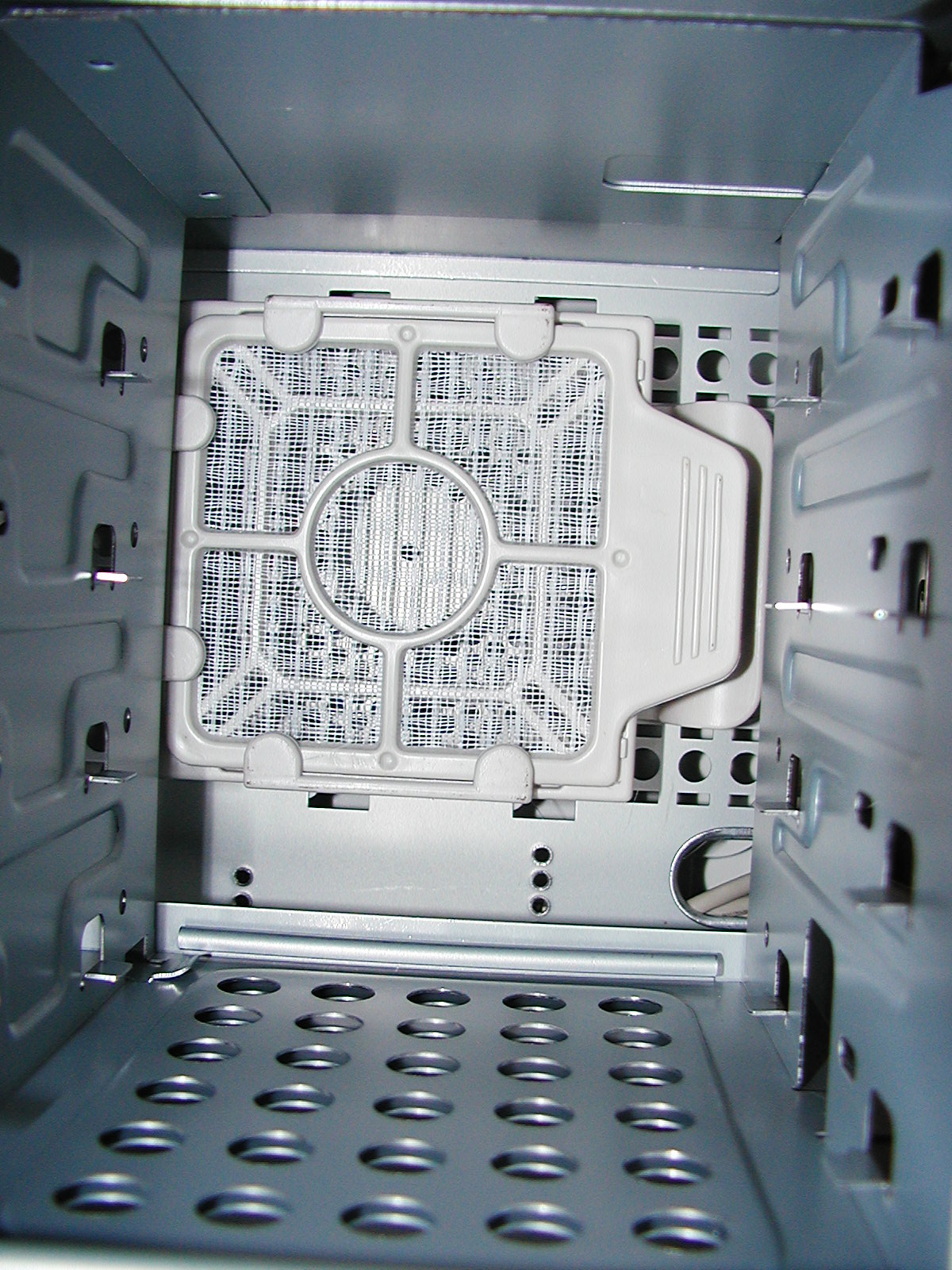
The front 80mm intake fan housing comes with a plastic dust filter, which is easily removed for cleaning. Dust can be easily removed from this reusable filter by running under cold water. Unfortunately, there is no direct ventilation to this fan through the plastic front panel, which might introduce some additional noise.