

Most hot pixels are only visible at high ISOs. If you enough of an enthusiast that you bought an expensive camera, then your “good” stuff will not be shot at ISO 1600 or higher, anyway. They are very tiny, and are really only visible at high magnificaiton. You probably only saw it because the small LCD on the camera pointed it out to you. A typical LCD on a digital camera is probably only 300×200 pixels, so it has to scale down and average the high resolution photo you just took to display it. Since the hot pixel is the brightest thing in that region, it gets displayed on the LCD, so it looks worse than it actually is. Print that picture out and you probably won’t even notice it.
How do I get rid of them?
You can easily clean them up in Photoshop, because they stand out so sharply on a pixel-by-pixel basis. Use a small Spot Healing Brush.

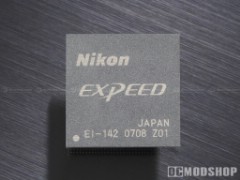
If you absolutely cannot live with the hot pixel, you can send it in to your camera manufacturer for “repair”. They only replace the CCD if there are a certain number of “dead” pixels, not hot pixels. All they do is identify the hot pixel and tell the camera to not use it. The other pixels on the sensor will average and compensate for it. Some consumers might be distressed to know this, because they paid for a 10-megapixel camera and they want all 10 megapixels working. Well, did you know that the manufacturer mapped out defective pixels before it even left the factory? Because of Bayer interpolation, there is not a 1:1 direct correlation of the pixel on the sensor to the pixel in the photo. Digital processing interprets what the sensor sees and puts it together. There is so much information obtained by the sensor that a photo can be generated even if a few pixels are defective.


Recommendations
Every camera has at least one hot pixel, even if you can’t see it right now. Even if your camera is fine today, it might start doing it tomorrow. Don’t worry about them, because if you look hard enough you will always find them. If you return your camera to the store, then the replacement will have this problem, too. Even if you hand-pick a camera, the “clean” one you seelct will eventually have some sparkles. Since sensors are analog, the hot pixels will come and go. They may not move, but their intensity will vary. Stop worrying about it and concentrate on making great pictures.