

There was a time when Windows wanted to get away from the whole “version number” thing to avoid confusion, and went with years. That way, people would understand that Windows 98 was a newer version than Windows 95, although they both had pretty much the same code base.
The thing to remember is that DOS-based Windows (Windows 95, 98, Me, etc) and NT-based Windows (NT 4.0, Windows 2000, etc.) were marketed at the same time as completely different operating systems for completely different demographics. Windows NT 4.0 had the same look and feel of Windows 95, but was based on a completely different architecture. The “consumer” version of Windows now was associated with a year, and the “professional” version had a version number. Pretty simple to understand.


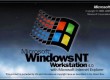
Different versions for different hardware?
Another thing to throw into the mix is that there were different versions of Windows NT 4.0 for RISC processors. Usually when you write an OS for a different hardware architecture, it’s a different version, right? That’s what Microsoft did when they wrote Windows 3.0; they created a new operating system to support the new 386 processor. Should Windows NT 4.0 for RISC be a subversion of NT4 or should it have its own version number? We’ll consider this when we add everything up later.



9 comments
Comments are closed.