

When everything is laid out, Windows 8 is obviously not version 8. If Microsoft wants to re-write its history of version numbers, then it is admitting post-mortem that some versions were irrelevant and that customers did not need to buy the “new” OS.
The only way Microsoft can say that Windows 8 is truly version 8 is if they break the rules and re-write the history of their version numbers. To whittle down to this version number you have to really broaden your definition of what a version number is and accept the following illogical conditions as true:
- Lump all subversions and different hardware architectures in the same version number
- Merge Windows 95 in with NT 4.0 (making all Windows 9x as 4.x)
- Merge Vista with Windows 7 (admitting that Vista was a “pre-release”)
- Make the leap that Windows NT 3.1 and 3.51 were a subversion of Windows 3.0
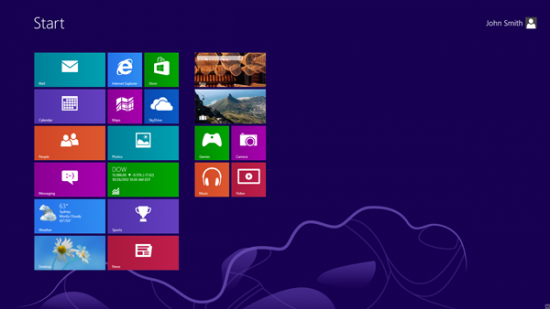 Windows 8: The Imposter Edition
If you actually count all the version bumps: Windows for Workgroups 3.11, Windows NT 3.51, all the versions MCE and Server as seperate Operating Systems, then the number goes way up.
If you count x64 versions as a different OS (using the same rules we applied to not mix 16-bit and 32-bit OSes), Windows 8 RT (ARM-based), Windows 2000 x64 (Itanium) then the number jumps even higher.
So what is the real version of Windows 8?
That depends on how you look at it.
Conservatively, Windows 8 is actually Windows 11.
If you count all the subversions that should be a new version in its own right (according to how Microsoft marketed them), then Windows 8 is really version 24.
If you count all the subversions and the different versions for hardware, then you are on Windows 29.
Regardless of how Microsoft wants to re-label and market their software, there were certain best-of-breed versions that stand out as major milestones. These versions were Windows 3.1, Windows NT 4.0, Windows 98 SE, Windows XP, and Windows 7. The jury is still out on how Windows 8 will be received.



9 comments
Comments are closed.