
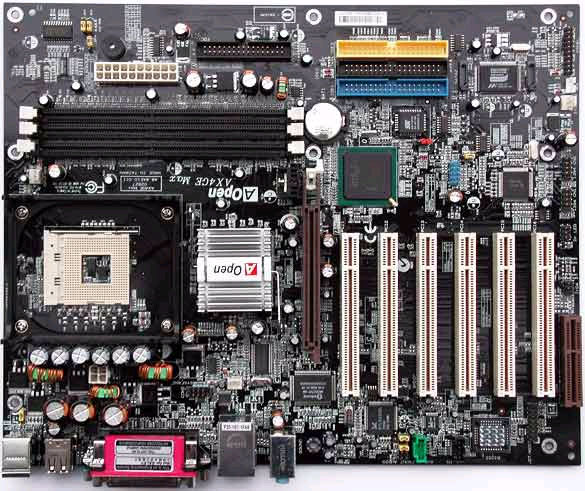
Installation of the drivers is simple and problem free. Once the codec is enabled on the motherboard, Windows will detect the chip and ask for drivers, which can be found on the Bonus CD. There is no real mode DOS support, and no DOS drivers to install. The chip’s D/A and A/D converters support 16-bit 48KHz sampling.
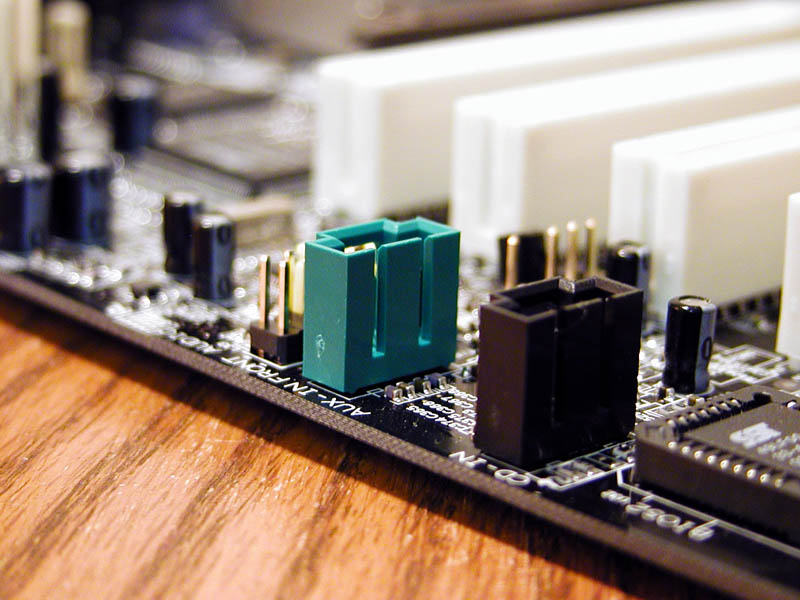
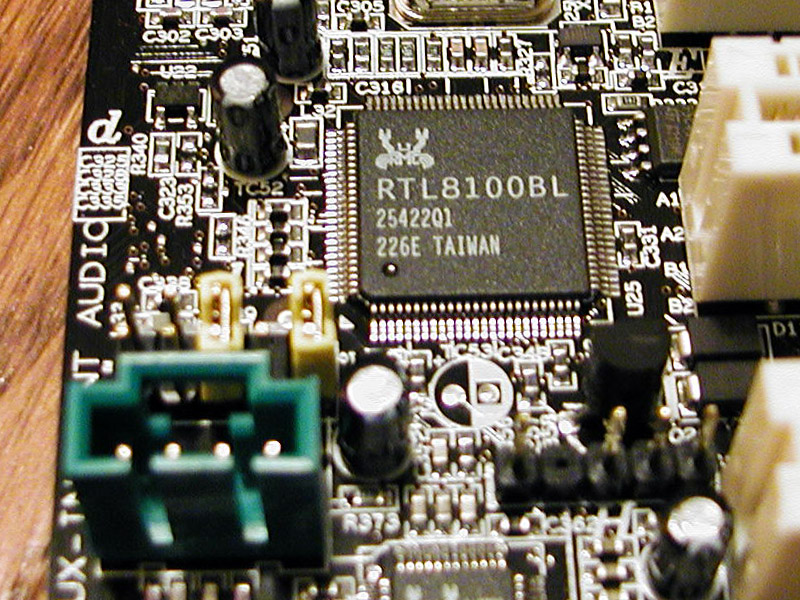
The audio circuitry is base upon a Realtek ALC650 sound chip. The ALC650 supports AC3 and 5.1 surround sound via the included S/PDIF header, which has an RCA and optical port. WDM drivers are included for Windows 9x operating systems, and VXD drivers are provided for Windows 2000 and XP.
Audio fidelity can be very subjective, especially dependant on the speakers or headphones used, so I used RightMark’s Audio Analyzer program to definitively test the chip’s sound capabilities. I compared the chip to a Soundblaster Audigy, and the results are listed in the chart below.
| SB Audigy | Realtek ALC650 | |||
| Frequency Response | +0.10,-0.26 | 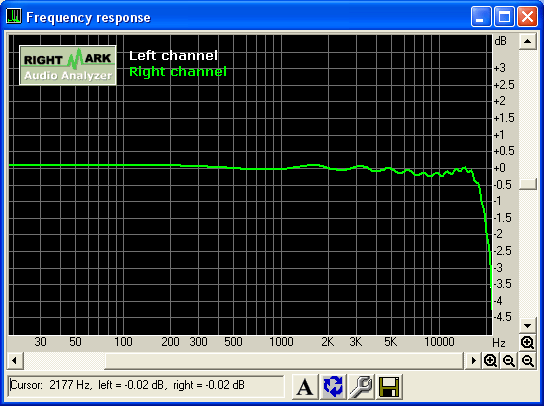 |
+.25,0.34 | 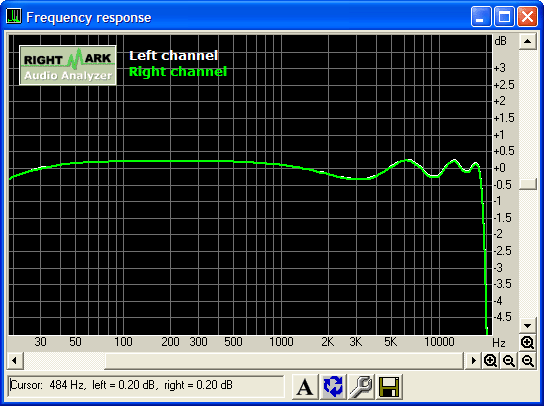 |
| Noise Level | -100.1 | 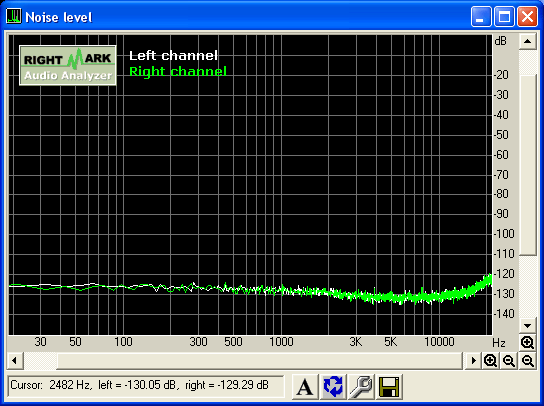 |
-80.5 | 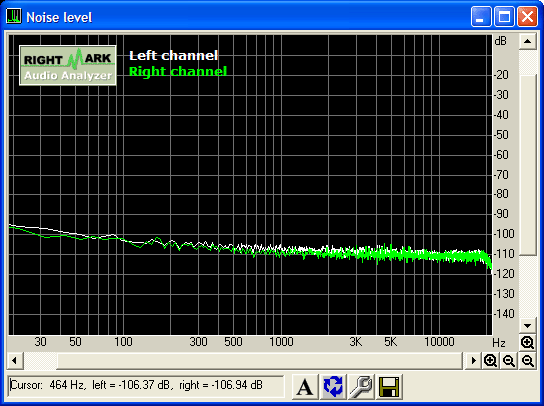 |
| Dynamic Range | 92.1 | 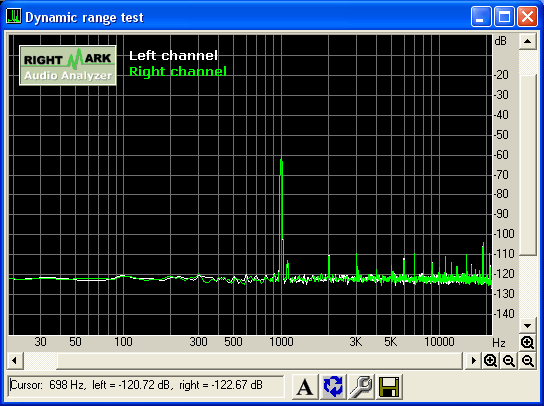 |
78.0 | 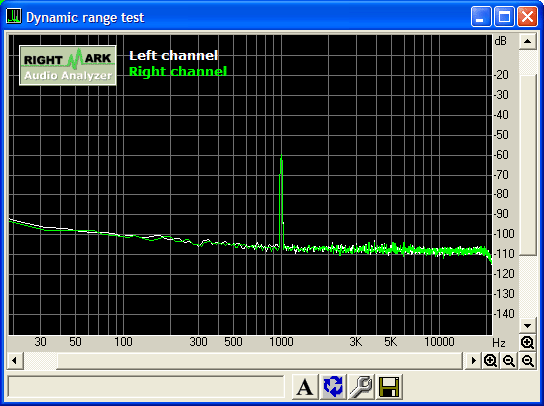 |
| THD | 0.0026 | 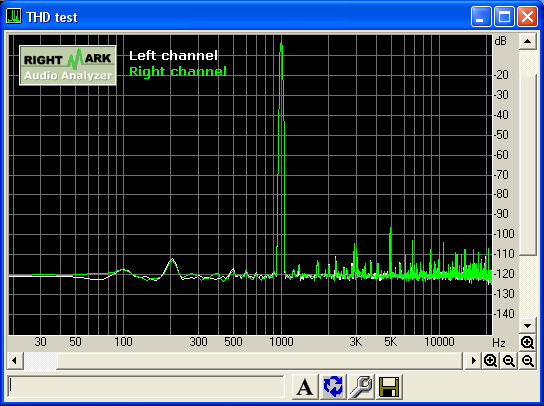 |
0.0029 | 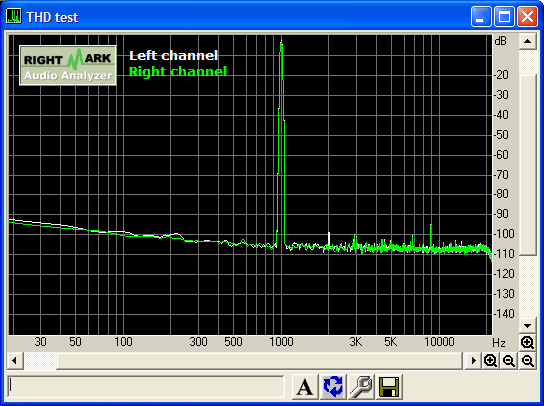 |
| Intermodulation | 0.127 | 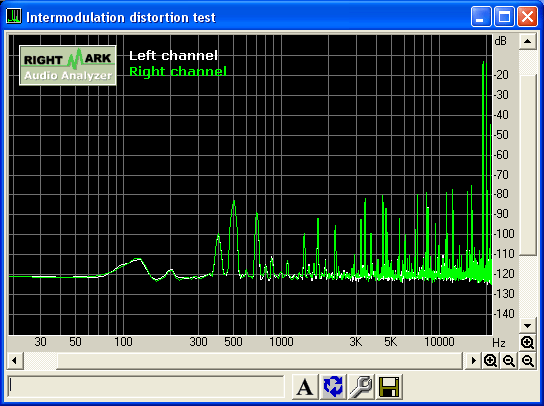 |
0.383 | 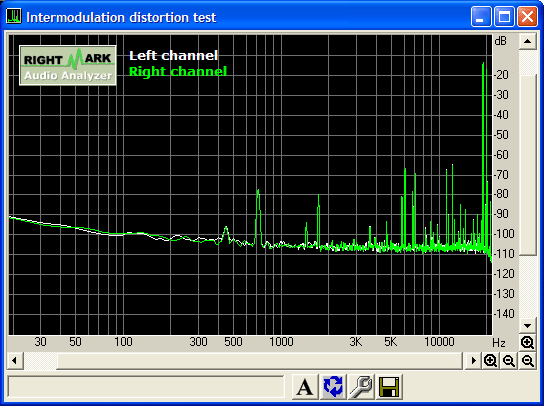 |
| Stereo Crosstalk | -93.6 | 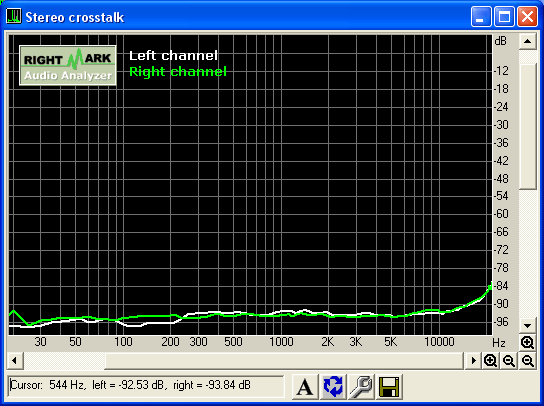 |
-73.8 | 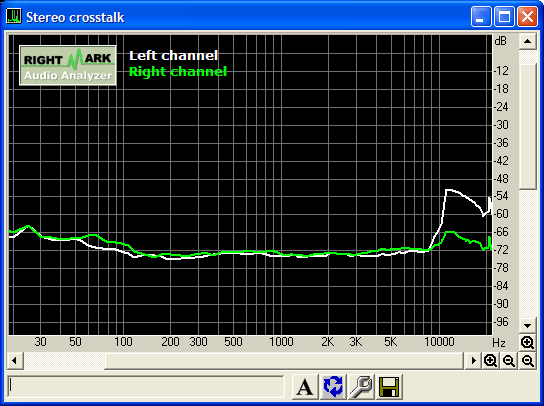 |
Frequency Response
The most noticable factor that the casual user can actually hear is frequency response, which is the range of audio frequencies that a device can produce. Basically when audio is amplified, the input and output waveforms differ by the loudness and phase. Frequency response consists of the differences in magnitude between the input and output waveforms. A perfect frequency response will be almost flat across the entire audio range. You can see that the Realtek does well until around 10Khz, where it starts to fluctuate and eventually falls off at around 18Khz. While the Audigy starts to fall off near the end as well, it is more stable and can reproduce the entire frequency range.
Pure sound quality is very good, while it’s not quite at the level offered by the Audigy, it’s more than good enough to satisy the majority of casual listeners. The test levels of the Audigy are consistant with high-end “pro-sumer” or low-end professional equipment, and the Realtek’s values are similar to average consumer levels (basically the levels of a Soundblaster 16). The dynamic range of the chip is average, but the stereo crosstalk could be better. I was impressed with the Total Harmonic Distortion (THD) level of the Realtek, being very low in relation to its other values. It is more than adequate to play games with, but I doubt any audiophile would be recording any music with it. Overall, it is very adequate for consumer-level audio requirements.
